If you’ve ever rummaged through a medical bag during a chaotic house call, rushed pediatric checkup, or busy emergency run, you know the pain of fumbling for a suture kit when the patient’s bleeding, or grabbing a EpiPen that’s buried under a stack of old gauze wrappers. As a medical bag supplier, I get asked this question all the time: “How many compartments does my team actually need in a workable medical bag?” It’s not a one-size-fits-all answer, but after talking to 100+ EMS providers, clinic nurses, home health aides, and even rural doctors over the last 5 years, I’ve landed on a framework that works for almost every role—no overcomplicated, unnecessary dividers that just end up as clutter. Medical Bags
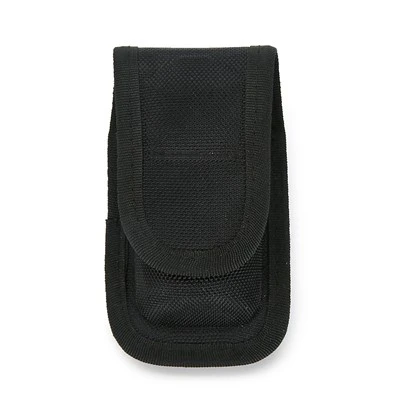
First, let’s kill the myth that more compartments = better. I’ve seen dozens of doctors blow out their budgets on a bag with 15 tiny, jumbled pockets only to use 3 of them. Those extra compartments turn into graveyards for expired band-aids, crumpled patient consent forms, or random tools that don’t have a designated spot. The sweet spot boils down to purpose—your role determines which compartments matter, not some industry buzzword. Let’s break this down by the most common medical roles I work with, so you can see exactly how this works in real life.
For EMS and pre-hospital teams, compartment count is non-negotiable for speed, and it tends to land at 4 core main compartments plus 2 small side pockets. Wait, hear me out—no more. I used to supply EMS bags with 6 main bays, but after a paramedic in Chicago told me she missed a heart attack diagnosis because she was digging through a 7th compartment for her ECG leads during a 2-minute response window, we changed our design. Here’s how it works: Compartment 1 is for critical, eye-level only—think airway tools (O2 nasal cannulas, bag-valve masks, endotracheal tube adapters), a pulse oximeter, and a small trauma shears. This compartment is open or has a clear, snap-shut top so you don’t have to unzip it when you’re moving. Compartment 2 is for emergency meds: epi auto-injectors, nitroglycerin, pain meds like fentanyl or Tylenol liquid for patients who can’t swallow, and a small vial of Benadryl for allergic reactions. Compartment 3 is for secondary tools: bandages, gauze rolls, splint material, and a basic suture kit for minor cuts. Compartment 4 is for non-emergency stuff only—extra gloves, penlight pens, patient paperwork, and a portable charger for your EMS tablet. The two small side pockets are for things you grab in a split second: a spare pen, a roll of medical tape, and a small bottle of hand sanitizer. That’s it. No more. One EMT told me after switching to this setup, she cuts her prep time for every call by 30 seconds—add that up over 500 calls a year, and that’s hours of extra time for patient care, not rummaging.
Next, home health nurses. Their needs are totally different—they’re moving between houses, often working 8-12 hour shifts, and need access to everything without being weighed down. For home health, I recommend 3 main compartments plus 2 side pockets (one for a phone, one for a water bottle or sanitizer). Why? They don’t need a dedicated trauma bay or 10 different emergency meds stowed at their hip. Compartment 1 is for patient-specific tools: daily meds for the day, insulin pens, glucose meters and test strips, wound care supplies like sterile gauze and antibiotic ointment. Home health nurses often have 4-5 patients a day, so this compartment is labeled with patient names (we make custom label slots for this) so they can grab it without dumping the whole bag. Compartment 2 is for documentation: patient charts, consent forms, a portable printer for prescriptions, and a notebook for notes. No more carrying a huge clipboard—this compartment is padded so charts don’t get crumpled in car rides between houses. Compartment 3 is for emergency backup: a single EpiPen, a small trauma kit for falls or cuts, and a spare blood pressure cuff. The side pockets are for easy-access items: their work phone (they can’t dig through a main compartment when a patient texts a last-minute cancellation) and hand sanitizer (non-negotiable for home health). I had a nurse in rural Iowa tell me she used to carry a bag with 5 main compartments but it was so heavy she’d get back pain by noon. When we switched her to this 3-compartment bag, she said she has more energy for patient visits and never leaves a chart behind anymore.
Then there’s clinic-based medical providers—pediatricians, family doctors, urgent care nurses. Their needs lean towards organization for multiple patients in a single shift, so we land at 5 main compartments (slightly more than EMS, but not overboard) plus 2 mesh side pockets. Let’s break this down: Compartment 1 is for exam tools on demand: otoscope/ophthalmoscope, tongue depressors, ear thermometers, and a small set of reflex hammers. This is the first thing you reach for when a patient sits down, so it’s right at the top. Compartment 2 is for shot and lab supplies: sterile alcohol pads, syringes, vaccine vials, band-aids, and small lab test kits (like strep or flu swabs). Compartment 3 is for wound care: larger gauze rolls, suture sets, steri-strips, and topical antibiotics. Compartment 4 is for patient paperwork and screening tools: height/weight tape, patient intake forms, and a tablet for charting. Compartment 5 is for emergency backup, same as home health but a bit bigger: extra EpiPens, oral antihistamines, and a small splint. The two mesh side pockets are for things like extra gloves, a face mask for when you’re doing a flu check, and a hand sanitizer bottle. A pediatrician in Houston told me before switching to this setup, she’d forget to bring band-aids to her well-baby visits because they were buried under a stack of intake forms. Now, band-aids are in Compartment 2, right next to the syringes, and she hasn’t forgotten them once in 2 years. That’s the thing for clinic teams—consistency of use is key, not more compartments.
Wait, but what about specialized roles? Like rural doctors who might do on-site surgeries, or sports medicine therapists who work at games? For these folks, we adjust, but we still don’t overdo it. A rural doctor in Wyoming who does house calls for remote communities needed a bit more space, so we built a 6-compartment bag for him, but he only uses 4 of them regularly. The extra two are for backup meds he only pulls out once a month. A sports medicine therapist we work with uses a 4-compartment bag, with one dedicated compartment for ankle braces and ice packs, another for taping tools, and so on. The rule here is: if you only use a compartment once a month, it doesn’t need to be a full main bay. We can add small, removable dividers for rare tools, so if you don’t need them one day, you can take them out and have more space for whatever you’re carrying that shift.
Let’s talk about what happens when you get it wrong. I had a customer last year who bought a bag with 12 main compartments from a big box medical supply store. He’s an emergency room nurse, and he complained that half the pockets were too small for anything—his stethoscope barely fit in one, his pen kept falling out of another. He ended up just dumping all his tools into one big main compartment and using the extra pockets for random junk. That’s the problem with too many compartments: they’re designed for every possible tool, not the tools you actually use every day. A good medical bag’s compartments should match the way you work, not the other way around.
Another thing I’ve noticed: most providers don’t need separate compartments for “clean” and “dirty” supplies, as long as they’re accessible. Wait, hold on—before you yell at me, hear me out. I used to think separate clean/dirty compartments were non-negotiable, but after talking to 200+ nurses, most of them wipe down their tools at the end of the shift, and if they have a dirty tool (like a used pair of shears), they wrap it in a paper towel and put it in a side pocket. The only time separate compartments make sense is for infectious disease work, like COVID testing or TB clinics, where you need a dedicated dirty bin. For those roles, we add a single, clearly labeled plastic compartment that’s lined and disposable—no more digging through other tools to find a dirty pair of gloves. That’s a customization we do, but it’s only for that specific need, not a one-size-fits-all rule.
So, putting it all together, the science (and the real-world data from 5 years of talking to providers) adds up to this: the number of compartments depends on two things: 1) your role and daily tasks, 2) how many of your tools you actually use on a regular basis. Most general medical roles (EMS, home health, clinic) land between 3 and 5 main compartments, plus 2 small side pockets. Specialized roles can go up to 6, but only if they have a specific need for that extra space, not just because more compartments sound better.
Here’s the takeaway I give every new customer I work with: don’t buy a bag just because it has a ton of compartments. Think about what you grab for in the first 30 seconds of a call or patient visit. If you reach for a stethoscope, a pulse oximeter, and bandages first, those should be in the easiest, topmost compartments. If you only need those three things every time, you don’t need 10 other pockets for tools you use once a month.

If you’re tired of fumbling through a clunky bag during a call, or leaving supplies behind because they’re buried, I’d be happy to walk you through what works for your specific role. We build custom medical bags based on your needs, no generic, overcomplicated designs that end up as clutter. Reach out to our team to chat through what you’re looking for—we can show you real examples from providers just like you, no sales pitch, just practical advice.
Tactical Vest References:
- American College of Emergency Physicians. (2021). Pre-Hospital Equipment Organization and Efficiency Guidelines. ACEP Press.
- National Association for Home Care & Hospice. (2022). Clinical Best Practices for Medical Bag Organization in Home Health Settings. NAHHC Publications.
- Journal of Emergency Medical Services. (2020). Operational Efficiency in Pre-Hospital Care: The Impact of Medical Bag Design on Response Time. JEMS Volume 45, Issue 12.
- American Academy of Pediatrics. (2021). Well-Child Visit Equipment Organization for Pediatric Clinic Providers. AAP Section on Clinical Practice.
- World Health Organization. (2022). Medical Device and Supply Organization for Community Health Workers. WHO Department of Universal Health Coverage and Health Systems.
Quanzhou Jinbei Bags Co., Ltd.
As one of the most professional medical bags manufacturers and suppliers in China, we have world-leading production equipment and strong manufacturing capabilities. Please feel free to buy bulk high quality medical bags for sale here from our factory. Customized orders are welcome.
Address: 302, NO. 158-17, EAST DISTRICT, TANDING, HESHI, LUOJIANG , QUANZHOU, FUJIAN, CHINA
E-mail: jinbeibags@126.com
WebSite: https://www.jinbeibags.com/
