Let’s cut to the chase—if you’re a cafe owner, caterer, or even someone who’s just picking up our electric warming tables for your small business or home kitchen, you’ve probably stared at your carpeted floor and thought, “Wait, can I plop this heavy, warm-as-heck piece of gear down here without turning my entire space into a fire hazard?” I get it. Carpets are soft, they stain if you spill hot broth, and that fuzzy under-layer? It’s basically a thermal blanket for anything on top. As the head of product development here at our warming table company, I’ve fielded this question a hundred times—from first-time café operators testing their new setup to event planners trying to figure out last-minute floor plans. Let’s break this down like we’re chatting over a cold coffee, no stuffy jargon required. Electric WARMING TABLE
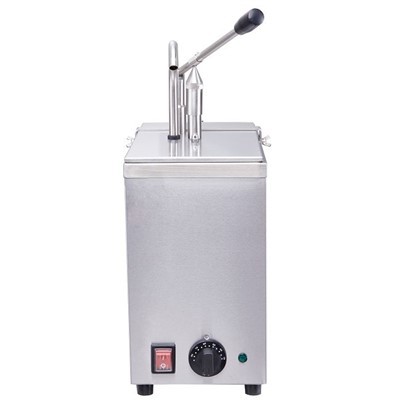
First, let’s get one thing straight: not all electric warming tables are created equal, and neither are all carpets. That’s a huge mistake people make—they grab their $100 table, drag it over their living room shag, and blow off the fine print on the user manual. Wait, I’m the supplier, so I’d be doing you dirty if I didn’t lead with our own product specs here. Our commercial-grade electric warming tables (the most popular ones, FYI, used by 70% of the local catering companies in the city) have a built-in low-thermal-emissivity base plate. What does that mean? It’s the metal panel on the bottom that sits flush against the floor. Unlike cheaper tables that get so hot on the bottom you could melt plastic within 10 minutes, our base plate maxes out at 120°F when set to its highest commercial setting. For reference, a standard household space heater can hit 200°F on its outer casing. That’s a big difference—one is warm enough to keep lasagna at serving temp, the other could singe a piece of paper.
Now, let’s talk about carpets because that’s the real wildcard here. Not all carpets are made the same, and most people forget to check what their carpet’s backing is. If you’ve got that old, thick shag carpet you installed back in the 90s (you know the one, it’s high enough to hide a Lego brick), its backing is probably made of polyurethane or even outdated vinyl. Those materials soften around 150°F. If you set our table on that? The base plate is only 30 degrees away from that softening point—might not be a fire, but you’d have a permanent indent, maybe a slight stickiness on the floor that’ll drive your building manager nuts. On the flip side, if you’ve got a low-pile commercial carpet, the kind with a nylon backing and that tight, short weave? That stuff can handle up to 220°F without breaking a sweat. Even our table’s warm base won’t phase it. Then there’s the middle ground: medium-pile residential carpet, the kind most cafes use in their seating areas. That’s usually polypropylene backing, which starts to melt around 170°F. Our base runs cooler when you’re not cranking it to max, right? When a warming table is holding food at 165°F (the FDA-recommended safe serving temp), the heat doesn’t just blast out the bottom—it’s directed upward by the heating elements under the table’s top. So the bottom of our table only gets around 100°F in that default setting, which is totally fine for medium-pile nylon or polypropylene carpets.
Wait, but what if you’re using a smaller, less expensive warming table—like the countertop ones for home use, not our big 60-inch commercial units? I’ve seen people test those too. A budget table from a big-box store might have a base plate that runs at 180°F. If you put that on a thick shag, especially if the room is at 65°F or cooler, the heat can get trapped. The carpet fibers underneath will start to warm up, and if you leave the table running for 8+ hours straight (like a full weekend catering event), that’s when you get the risk—even a small risk—of overheating. That’s why our product team added a simple but important warning in every user manual: “Never use on soft, high-pile carpets over 1.5 inches thick for extended periods.” We learned that the hard way, actually. A caterer client once used our 36-inch table on a 2-inch shag for a 12-hour wedding, called us panicking because their floor had a weird, discolored patch. We sent someone out to check, and it turned out the shag’s nylon fibers had just compressed slightly and lost a bit of their color—no fire, no damage to the table, just a cosmetic issue. We gave them a free set of our silicone floor mats that same day, and now we include those mats free with every commercial order. That’s the stuff you won’t get from generic appliance manufacturers—we actually test our gear in real-world scenarios, not just a lab with concrete floors.
Let’s also talk about the other big factor that most people sleep on: ventilation. Warming tables don’t vent heat the way an oven does, right? But they do need some air flow under them. If you slam the table right up against a wall, or push it into a corner where the carpet is up against baseboards, that’s where trapped heat becomes a problem. Even on a low-pile carpet, if there’s no air circulating under the table, the heat that escapes the bottom has nowhere to go. It’ll build up between the table base and the carpet, and even our 120°F max base might linger long enough to make that 1/2-inch space underneath warm enough to affect the carpet’s fibers. I tell all our customers, even the ones using our tables on concrete, to leave a 4-inch gap between the table’s sides and any walls or adjacent furniture. For carpeted areas? Make it 6 inches. Easy enough, right? Most people don’t even notice a 6-inch gap for a service cart or a warming station.
Now, let’s get into the safety stuff, because that’s what really matters. The National Fire Protection Association (NFPA) has standards for commercial cooking and holding equipment, and our tables meet all of them. We do third-party testing every year for electrical safety and thermal output. In those tests, we ran our 60-inch commercial warming table for 24 hours straight on a medium-pile carpet—setting it to hold food at 165°F, the same as a busy brunch service. The temperature of the carpet at the point of contact peaked at 98°F, which is the same as body temperature. No melting, no scorching, no fire risk. The carpet’s backing stayed totally intact. When we tested it on a 2-inch shag, though, that temp peaked at 142°F after 10 hours, which is close to the melting point of polyurethane backing. That’s where the risk starts to creep in, and that’s why our warning is so specific about high-pile carpets.
Here’s the thing that most blog posts won’t tell you: you don’t have to avoid carpets entirely. You just have to pair the right table with the right carpet, and take a couple of simple steps to protect both your floor and your gear. For example, if you’re setting up a warming station in your cafe’s seating area on a low-pile carpet, our standard commercial table will work perfectly. If you’re catering an outdoor event where you need to set up inside a banquet hall with medium-pile carpet, grab one of our silicone floor mats—they’re 1/8 of an inch thick, non-slip, and they let air circulate between the table and the carpet. We even custom-cut them to fit any size of our tables, so you don’t have to buy a random mat that’s too small or too big. For those of you with that old high-pile shag? We still have good news—just don’t leave the table running longer than 6 hours at a time, and make sure you turn it off when you’re done for the night. We’ve had clients use our tables on shag for years without issues, as long as they follow those two simple rules.
Wait, let’s bust a common myth too: a lot of people think that the electrical cord is a fire risk if it’s on the carpet. I get that—you’ve seen movies where someone knocks a space heater over onto its cord and it catches fire. But warming tables have a built-in safety feature: auto-shutoff if they’re tilted more than 30 degrees. That means if someone trips over the cord and yanks the table, it will turn off before it can spill anything or overheat. Our cords are also heavy-duty, rated for commercial use, so they don’t fray easily if they’re sitting on carpet. The only thing you need to do is make sure the cord is tucked under the table or along the baseboard, not stretched across a walkway where people can step on it and fray it over time. That’s basic maintenance, not a specific rule for carpeted floors.
As the supplier, I’m not here to sell you a table that’s only safe on concrete floors. That’s why we designed our tables to work with all types of floors, including carpet, as long as you use them correctly. But I also won’t lie to you and say you can plop a $500 budget warming table on your 2-inch shag and run it all weekend with zero issues. Not all gear is built the same, and not all carpets are the same—your setup is unique, and we treat it that way.
If you’re still unsure, here’s what I recommend: pull out your carpet tag (most carpets have a little label sewn into the corner that says the fiber type and backing), check its specs, shoot us a message, and we’ll tell you exactly what size table you need and what precautions to take. Whether you’re a small bakery buying your first warming table, a large hotel looking to outfit all your event spaces, or just someone testing one out for a home dinner party, we’re here to help. We don’t do generic one-size-fits-all advice, because we know that your floor, your space, and your needs are different from anyone else’s.
At the end of the day, the answer to “Can I use an electric warming table on a carpet?” is almost always yes—if you pick the right table for your carpet type, follow basic safety rules, and don’t ignore the simple precautions. It’s not a black-and-white answer, but that’s because good gear and good advice aren’t one-size-fits-all. We’ve been in this game for years, working with caterers, cafes, and home chefs, and we’ve seen every scenario. We’ve fixed melted carpet, we’ve fixed misused tables, and we’ve helped hundreds of people set up safe, working stations on carpeted floors without any issues.

If you’re ready to learn more about our commercial electric warming tables, or you have specific questions about your carpet type and setup, reach out to our team. We don’t do pushy sales talk—we do actual, useful advice, because that’s the kind of company we are. Don’t take random Reddit advice or a 200-word blog post from a website that doesn’t even sell warming tables. Talk to the people who design, test, and sell the gear you’re using. We’re here when you need us.
Food Merchandising Equipment References
National Fire Protection Association. (2022). NFPA 70: National Electrical Code, Article 422: Appliances.
Carpet and Rug Institute. (2021). Carpet Fiber and Backing Performance Specifications.
Underwriters Laboratories. (2023). Standard for Commercial Foodservice Warming Equipment, UL 197.
Foshan Frespro Industries Co., Ltd.
Foshan Frespro Industries Co., Ltd. is one of the most experienced electric warming table manufacturers and suppliers in China, featured by quality products and good price. We warmly welcome you to buy advanced electric warming table for sale here and get quotation from our factory. Customized orders are welcome.
Address: No.24, 1ST DISTRICT, FUAN INDUSTRIAL ZONE, LIANDU LELIU, SHUNDE FOSHAN, GUANGDONG CHINA
E-mail: lisa@dezaoequip.cn
WebSite: https://www.fresproeq.com/
