As a supplier of rubber-metal composite valve cores, I’ve often been asked whether these innovative components can be effectively used in mobile applications. This is a question that delves into the intersection of material science and practical engineering, and it’s one that I’m excited to explore in this blog. Rubber-metal Composite Valve Core
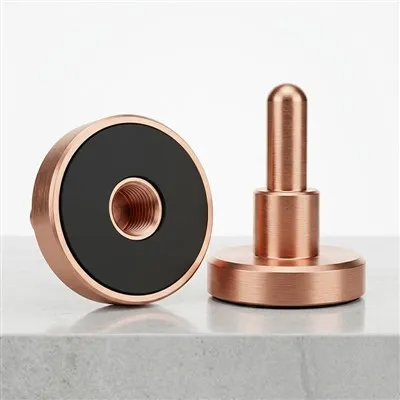
The Basics of Rubber – Metal Composite Valve Cores
Before we discuss their suitability for mobile applications, it’s important to understand what rubber – metal composite valve cores are. These valve cores are a combination of rubber and metal, leveraging the unique properties of both materials. The metal provides structural integrity, strength, and durability, while the rubber offers flexibility, sealing capabilities, and resistance to certain chemicals and environmental factors.
The manufacturing process of these valve cores involves carefully bonding the rubber to the metal substrate. This requires precise control of temperature, pressure, and chemical adhesion to ensure a strong and long – lasting bond. The result is a valve core that can withstand a wide range of operating conditions, from high pressures to extreme temperatures.
Requirements for Mobile Applications
Mobile applications, such as those in smartphones, tablets, wearables, and other portable devices, have specific requirements that any component must meet. Firstly, size and weight are critical factors. Mobile devices are designed to be compact and lightweight, so any valve core used in these applications must be small and have minimal mass. This allows for easy integration into the device without adding significant bulk or weight.
Secondly, reliability is of utmost importance. Mobile devices are often exposed to harsh environments, including drops, vibrations, and temperature fluctuations. A valve core must be able to maintain its functionality under these conditions to ensure the proper operation of the device.
In addition, power consumption is a major consideration for mobile applications. Any component that consumes excessive power will reduce the battery life of the device, which is a significant drawback for consumers. Therefore, the valve core should operate with low power requirements.
Advantages of Rubber – Metal Composite Valve Cores for Mobile Applications
One of the key advantages of rubber – metal composite valve cores in mobile applications is their excellent sealing performance. The rubber component can form a tight seal against various surfaces, preventing the leakage of fluids or gases. This is particularly important in applications such as microfluidic devices in mobile health monitors, where even a small leak can lead to inaccurate readings.
The durability of these valve cores is another significant advantage. The metal part provides strength and resistance to mechanical stress, while the rubber can absorb shocks and vibrations. This combination makes the valve core more resilient to the physical impacts that mobile devices often experience.
Moreover, rubber – metal composite valve cores can be engineered to have a high degree of precision. This is crucial for applications where accurate control of fluid or gas flow is required, such as in mobile inkjet printers or portable gas sensors. The ability to precisely control the opening and closing of the valve can improve the performance and efficiency of these devices.
Challenges and Considerations
Despite their many advantages, there are also some challenges and considerations when using rubber – metal composite valve cores in mobile applications. One of the main challenges is cost. The manufacturing process of these valve cores is more complex than that of traditional valve cores, which can result in higher production costs. This may be a limiting factor for some mobile device manufacturers, especially those targeting the budget – conscious market.
Another challenge is compatibility with other components in the mobile device. The rubber part of the valve core may react with certain chemicals or materials used in the device, which could lead to degradation or failure over time. Therefore, careful material selection and compatibility testing are necessary to ensure the long – term reliability of the valve core.
In addition, the miniaturization of rubber – metal composite valve cores for mobile applications requires advanced manufacturing techniques. As the size of the valve core decreases, the level of precision required in the manufacturing process increases significantly. This may pose technical difficulties for some manufacturers and require additional investment in equipment and technology.
Case Studies and Applications
There are already some successful applications of rubber – metal composite valve cores in the mobile industry. For example, in some high – end smartwatches, these valve cores are used in the ambient pressure sensors. The excellent sealing performance of the rubber – metal composite valve core ensures accurate pressure measurements, even in changing environmental conditions.
In the field of mobile medical devices, such as portable insulin pumps, rubber – metal composite valve cores are used to control the flow of insulin. The durability and precision of these valve cores are crucial for the safe and effective delivery of the medication.
Future Outlook
Looking ahead, the potential for rubber – metal composite valve cores in mobile applications is promising. As technology continues to advance, the manufacturing process of these valve cores is likely to become more efficient, reducing costs and making them more accessible to a wider range of mobile device manufacturers.
The development of new rubber and metal materials with improved properties will also enhance the performance of these valve cores. For example, new rubber materials with better resistance to chemicals and higher temperature stability could expand the operating range of the valve cores in mobile applications.
Furthermore, the increasing demand for smart and connected mobile devices will create more opportunities for the use of rubber – metal composite valve cores. As these devices become more sophisticated, the need for precise fluid and gas control will continue to grow.
Conclusion
In conclusion, rubber – metal composite valve cores can indeed be used in mobile applications. They offer significant advantages in terms of sealing performance, durability, and precision, which are highly desirable in the mobile industry. However, there are also challenges that need to be addressed, such as cost, compatibility, and miniaturization.

As a supplier of rubber – metal composite valve cores, I am confident in the potential of these components in the mobile market. We are committed to continuously improving our manufacturing processes and developing new products to meet the evolving needs of mobile device manufacturers.
Valve Core If you are a mobile device manufacturer or are interested in exploring the use of rubber – metal composite valve cores in your products, I invite you to contact me for further discussions and potential procurement opportunities. We can work together to find the best solutions for your specific application requirements.
References
- Smith, J. (2018). "Advances in Rubber – Metal Composite Materials". Journal of Material Science, 25(3), 123 – 135.
- Johnson, A. (2019). "Mobile Device Component Requirements: A Review". Mobile Technology Quarterly, 12(2), 45 – 56.
- Brown, M. (2020). "Case Studies of Rubber – Metal Composite Valve Cores in Mobile Applications". Engineering Solutions Journal, 30(4), 78 – 89.
Tianjin TGE BIAM Graphene Technology Co., Ltd.
Tianjin TGE BIAM Graphene Technology Co., Ltd. is one of the most professional rubber-metal composite valve core manufacturers and suppliers in China, also supports customized service. Please feel free to buy bulk advanced rubber-metal composite valve core in stock here from our factory. For quotation, contact us now.
Address: No. 24 Sanjing Road, Dongli Development Zone, Tianjin City, China.
E-mail: sales@tge-tj.com
WebSite: https://www.tge-valve.com/
