Hey there, fellow gardening and farming enthusiasts! I’m a supplier of plant – derived fungicides, and I’ve been getting a lot of questions lately about whether these plant – derived fungicides can be used in combination with fertilizers. So, I thought I’d sit down and write this blog to share what I’ve learned over the years in this business. Plant-Derived Fungicide
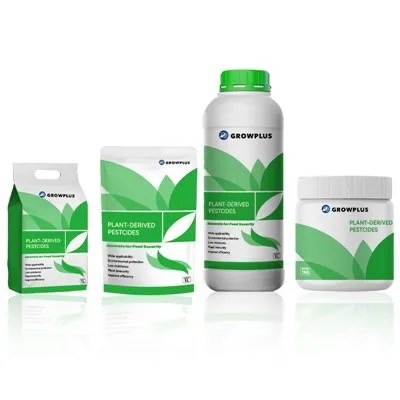
First off, let’s talk a bit about what plant – derived fungicides are. These are natural products made from plants. They’re a great alternative to synthetic fungicides because they’re usually less harmful to the environment, beneficial insects, and even us humans. They work by either preventing the growth of fungi or killing them off. Some common plant sources for these fungicides include neem, garlic, and cinnamon.
On the other hand, fertilizers are substances that provide essential nutrients to plants, like nitrogen, phosphorus, and potassium. They help plants grow stronger, produce more flowers and fruits, and overall, be more healthy. There are organic and synthetic fertilizers, and each has its own set of pros and cons.
Now, the big question: Can we use plant – derived fungicides and fertilizers together? The short answer is, in most cases, yes! But there are a few things we need to keep in mind.
One of the main concerns when combining any two substances in the garden is compatibility. Just like in cooking, not all ingredients go well together. Some plant – derived fungicides might react with certain fertilizers, reducing their effectiveness or, in some rare cases, causing harm to the plants.
For example, some plant – derived fungicides are acidic, while some fertilizers are alkaline. If you mix them without knowing, the chemical reaction could change the pH of the soil or the spray solution. This can affect the availability of nutrients to the plants and also the ability of the fungicide to work properly.
However, many plant – derived fungicides are quite compatible with fertilizers. Neem – based fungicides, for instance, are pretty versatile. Neem oil has anti – fungal properties and can be mixed with many organic fertilizers. It can even enhance the overall health of the plants when used in combination with a good fertilizer. The neem helps protect the plants from fungal diseases, while the fertilizer provides the necessary nutrients for growth.
Another thing to consider is the application method. If you’re using a liquid – based plant – derived fungicide and a liquid fertilizer, you can often mix them in a sprayer. But you need to make sure you follow the instructions on the labels. Some products might recommend a specific order of mixing or a certain dilution rate.
If you’re using granular fertilizers and a powder – form plant – derived fungicide, you can apply them separately. You can spread the fertilizer around the base of the plants first and then sprinkle the fungicide on the soil or the foliage as needed.
There are some real benefits to using plant – derived fungicides and fertilizers together. One of the biggest advantages is efficiency. Instead of making multiple trips to the garden to apply different products, you can combine them and save time. This is especially useful for large – scale farmers who have a lot of land to cover.
It can also lead to better plant health. When plants are well – nourished by fertilizers, they’re generally more resistant to diseases. And when you add a plant – derived fungicide to the mix, you’re providing an extra layer of protection against fungal infections. This can result in higher yields, better – quality produce, and overall healthier plants.
But, as with anything in gardening and farming, there are also some potential drawbacks. One issue is that over – application of either the fungicide or the fertilizer can be a problem. If you’re not careful with the mixing ratios, you could end up applying too much of one or both substances. This can lead to fertilizer burn, where the plants get damaged by an excessive amount of nutrients, or it can cause the plants to become overly reliant on the fungicide.
Another concern is the potential for residue. While plant – derived fungicides are generally considered safer than synthetic ones, there’s still a chance that some residues could build up in the soil or on the plants. If you’re using a lot of the fungicide in combination with fertilizers over a long period, it’s important to monitor the soil quality and the health of the plants regularly.
In my experience as a plant – derived fungicide supplier, I’ve seen many customers have great success using these products with fertilizers. I’ve had small – scale gardeners tell me that they’ve been able to grow beautiful tomatoes without any fungal diseases after using a neem – based fungicide along with a balanced organic fertilizer. And large – scale farmers have reported increased crop yields and reduced losses due to fungal infections when they’ve combined the right plant – derived fungicide with their regular fertilization program.
So, if you’re thinking about using plant – derived fungicides in combination with fertilizers, here are a few tips. First, do your research. Read the labels on both the fungicide and the fertilizer carefully. Look for any information about compatibility or any warnings about mixing.
Second, start small. Do a test on a small area of your garden or farm first. This way, you can see how the plants react to the combination before you apply it on a larger scale.
Third, keep records. Note down what you used, how much you used, and how the plants responded. This will help you fine – tune your approach over time.
In conclusion, plant – derived fungicides can definitely be used in combination with fertilizers in many cases. It’s a great way to save time, improve plant health, and increase yields. But it’s important to be careful and do your homework to make sure you’re using the right products in the right way.
If you’re interested in learning more about our plant – derived fungicides or want to discuss how they can be used in combination with fertilizers for your specific needs, I’d love to talk with you. Just reach out, and we can have a detailed chat about your gardening or farming situation. Let’s work together to grow healthy, beautiful plants!
Bio-stimulants References
- "The Organic Gardener’s Handbook of Natural Insect and Disease Control"
- "Fertilizers and Soil Amendments" by Jeff Gillman
- Various research papers on plant – derived fungicides and fertilizers from agricultural universities.
Grow Plus Crop Protection Co., Ltd.
As one of the most professional plant-derived fungicide manufacturers and suppliers in China, we’re featured by quality products and good service. Please rest assured to wholesale bulk plant-derived fungicide at competitive price from our factory. Also, quotation is available.
Address: Room 1101, Building 26, Zhongke Innovation Plaza, No. 150 Pubin Road, Pukou District, Nanjing City, Jiangsu Provience
E-mail: Lily@natur-sim.com
WebSite: https://www.gpglo.com/
