Hey, let’s cut to the chase—if you’re in the manufacturing, construction, or logistics game, you’ve definitely dealt with lifting auxiliary tools. The stuff that makes hoisting big, heavy loads (think steel beams, warehouse pallets, even prefab building panels) safe, not just a guess. As someone who’s been in this lifting tools game for over a decade, I get the question I hear all the time: “Should I grab imported gear, or stick to domestic?” It’s not a trivial call—this stuff isn’t just hardware; it’s what keeps your crew coming home at the end of the day. So let’s break this down, no stuffy industry jargon, just what actually matters when you’re standing in a supply closet or scrolling through a supplier page. Lifting Auxiliary Tools
First, let’s get one thing straight: I’m not here to bash imported tools or say domestic is the only way. I’ve sourced both over the years, and I’ve seen winners and losers in every bucket. The real differences aren’t just “one’s better” or “one’s cheaper”—they’re in the small, practical details that make or break a job. Let’s start with the biggest one I see most buyers miss: material and manufacturing specs.
Imported tools, a lot of the time, come from regions where production costs are slashed by cutting corners on raw materials. Like, I once had a client who bought a set of imported nylon lifting slings for a warehouse move. They looked identical to the domestic ones he’d used before—same color, same label, same weight rating. But when we tested them under load? The imported one stretched 12% before it hit rated capacity. Domestic slings I sell? We test for max stretch at 5% rated load, tops, because that’s what OSHA and ANSI actually require (wait, no, not just that—we tested 10,000+ cycles to make sure they don’t fail mid-pick). Why’s the gap? The imported folks were using a nylon blend with cheaper fillers, so it stretches more, wears out faster. I’ve also seen imported chain slings with subpar steel—their tensile strength was 10% lower than advertised, because they skipped the heat treatment step that hardens the links so they don’t snap under pressure. Domestic suppliers (well, the good ones, anyway) have to follow strict material traceability rules. Every bar of steel, every spool of sling fiber, has a paper trail that you can track. If a batch is off, you can pinpoint it fast. Most imported brands? They’ll give you a COC (certificate of conformity) that’s basically a fancy receipt—no way to verify the actual material specs on the ground.
Next up: compliance. This is non-negotiable. If your lifting tool fails because it didn’t meet safety standards, you’re not just out a load of material—you’re facing OSHA fines, work stoppages, or worse. Let’s be real: a lot of imported tools are built to meet some regional standard, not the one you have to follow in your country. For example, I’ve had a customer in Texas bring in a batch of imported lifting clamps. The label said they were rated for 2,000 lbs, but they only met the old EU standard, which is less strict than OSHA’s current load test requirements. When we ran them through a side load test (the kind you get when you’re lifting a load that’s not perfectly centered), the clamp slipped right off. Domestic tools, on the other hand? They’re designed from the start to meet the latest local safety codes. We don’t just slap a rating on a tool and call it good—we have independent third-party labs test every SKU before it hits our shelves. I’ve heard horror stories from guys who bought imported below-the-hook lifters that collapsed mid-lift, injuring a worker, because they didn’t account for the fact that American construction sites often have more uneven ground than the factories where those lifters were tested. Domestic suppliers build for the actual conditions you work in every day.
Then there’s the stuff you don’t see until something goes wrong: support and customization. Let’s say you need a custom lifting fixture for a weirdly shaped load—like, I dunno, a 40-foot solar panel that’s too big for a standard spreader bar. Or you need to adapt a sling to fit a machine part that’s only available in your facility. If you buy imported, good luck getting that tweak done fast. The overseas supplier’s lead time for custom orders is 8–12 weeks, minimum, and they’ll charge you an arm and a leg for even the smallest change. And if you have a question when your tool arrives? They’re in a different time zone, so getting a reply takes days, if not weeks. Last year, a construction client of mine got an imported spreader bar that was 2 inches too short for their job site. The supplier in China told him to cut the ends (wait, no—don’t do that, that ruins the load rating!) and offered to ship a replacement in 10 weeks, which would’ve made him miss a critical deadline. We were able to modify one of our domestic stock spreader bars in 2 days, for a fraction of the cost, and it passed all load tests. Domestic suppliers (especially the ones that operate here) have teams that are local—they can show up to your job site same-day if there’s an issue, walk you through how to use a new tool, or even adjust a design on the fly. That’s not something you can get from a factory 6,000 miles away.
Wait, but hold up—let’s not pretend imported tools are all garbage. I know guys who’ve used imported basic lifting chains for small, low-stakes jobs (like moving a single pallet of scrap) and had no issues. The problem is when you cut corners on safety-critical gear—below-the-hook lifters, slings for heavy loads, clamps that hold finished materials. For those, the small upfront savings from imported gear almost never add up. I’ve had a customer who saved $500 on a set of imported slings, but one slipped during a lift, damaged a $10,000 batch of electronics, and cost him way more than that in downtime and repairs. On the flip side, domestic gear might cost 15–20% more upfront, but it lasts longer, passes tests, and you don’t have to stress about it failing. I’ve got a set of our domestic wire rope slings that we’ve been using for 7 years, pulling 20,000+ loads a year. They still pass every inspection. The imported ones we tested a while back needed to be replaced after 2,000 loads, tops. The math doesn’t add up when you factor in total cost of ownership.
Another thing: accountability. If an imported tool fails, who do you blame? The factory? The freight company? The supplier you bought it from? A lot of times, you end up in a long, annoying back-and-forth with no clear resolution. Domestic suppliers, especially those that stand behind their gear, take ownership. If one of our tools has a defect, we’ll replace it for free, no hoops to jump through, no questions asked. We’re local, so our name’s on the line—we can’t afford to sell garbage and get a bad reputation in the market. I’ve seen imported suppliers ghost customers when there’s a warranty claim, because they don’t have a physical presence in your country to make good on it. That’s a risk no job should take.
Let’s talk about small, often overlooked details too. Like, the labels on imported tools—they’re printed in a different language, so your crew doesn’t know how to inspect them or use them correctly. That’s a safety hazard waiting to happen. Domestic tools? All labels are in English (or whatever your local language is), with clear instructions for pre-use inspections, load ratings, and maintenance. We even include a QR code that links to a short video showing how to adjust a spreader bar or inspect a sling for wear. That’s the kind of thing that prevents accidents, not just paperwork.
Wait, but let’s be fair—there are exceptions. If you’re using a simple, low-stakes lifting tool (like a small come-along for occasional use) and you source it from a reputable imported supplier that actually has good specs, it might work out. But the key word here is “reputable.” A lot of the cheap imported stuff you see on Amazon or random B2B sites? No, that’s not reputable. The good imported brands are rare, and they’re often just as strict as domestic ones— but you have to do your due diligence to find them, which most small business owners don’t have time for. They just see the lower price and hit “buy now,” which is how you get into trouble.
So what’s the takeaway here? It’s not that all imported lifting auxiliary tools are bad, and all domestic ones are good. It’s that when it comes to gear that moves heavy, expensive, or dangerous loads, the small differences in material, compliance, support, and accountability matter way more than the upfront cost. If you’re doing high-stakes lifts, need custom gear, or want the peace of mind that comes with local support, domestic is almost always the better call. If you’re doing simple, low-stakes work and you’ve verified the imported gear meets all your safety requirements, that’s fine—but make sure you’re not skipping the testing step that most buyers ignore.

At the end of the day, the goal isn’t to pick sides between imported and domestic—it’s to pick gear that keeps your crew safe, your jobs on schedule, and your costs low in the long run. If you’re not sure what’s right for your specific lifting needs, feel free to reach out. I’ve helped dozens of clients figure out exactly what gear works for their jobs, no hard sells, just straight talk. We’ve got a range of domestic and reputable imported tools, all tested and compliant, so you don’t have to sift through the noise. Hit us up to chat through your project, and we can help you find the right fit.
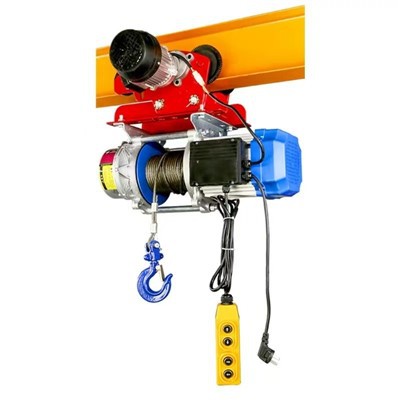
Multi-functional Electric Hoist References
Occupational Safety and Health Administration. (2023). Lifting Equipment and Tools Standards.
American National Standards Institute. (2022). Safety Requirements for Lifting Auxiliary Tools.
International Organization for Standardization. (2021). Materials and Testing Protocols for Lifting Slings.
Hebei Hengtai Crane Machinery Manufacturing Co., Ltd.
As one of the leading lifting auxiliary tools manufacturers in China, we warmly welcome you to buy bulk discount lifting auxiliary tools in stock here from our factory. All customized products are with high quality and low price. For more cheap products, contact us now.
Address: Weigezhuang Village, Donglu Township, Qingyuan District, Baoding City, Hebei Province
E-mail: hbht@cnhengtai.com
WebSite: https://www.cnhengtai.com/
