Let’s start with a quick poll: how many times have you dug through the back of your skincare cabinet, pulled out a bottle of “anti-aging peptide serum” you bought two years ago on a whim, and thought, “This should still work, right?” As a cosmetic peptides supplier, I field this exact question at least three times a week—sometimes from customers who’ve hoarded stockpiles of our Matrixyl or copper peptide blends because they swear peptides are “stable, so they never go bad,” and sometimes from new brands testing our ingredients who want to know how long they can hold bulk stock before it’s no longer viable. The truth is, the myth that cosmetic peptides are immortal is one I hear constantly, and it’s rooted in a grain of scientific truth: peptides are more stable than many volatile skincare ingredients like retinol or vitamin C. But “more stable” doesn’t mean “indestructible.” Every peptide we sell has a soft expiration date—one that depends on how you store it, what form it’s in, and even the pH of the final product it’s mixed into. Today, I’m breaking down the science behind peptide expiration, sharing what I’ve learned from 8+ years as a supplier working directly with lab teams, formulators, and small skincare brands, and cutting through the noise so you don’t waste money on expired ingredients or end up with ineffective products. Cosmetic Peptides
First, let’s get back to basics: what are cosmetic peptides, and why do people think they never expire? Cosmetic peptides are short chains of amino acids—think of them as tiny, biological text messages that tell your skin to do something specific, like make more collagen, reduce inflammation, or boost hydration. Unlike, say, vitamin C, which oxidizes within hours when exposed to air, or retinol, which breaks down in light, peptides are made of the same building blocks as proteins in your body, so they naturally hold their structure pretty well, especially when isolated. When we test our bulk peptides in the lab, we find that lyophilized (freeze-dried) peptides—our most popular bulk format, sold as a white powder in sealed vials—can last 2–3 years when stored correctly, even longer than that if kept in a cool, dark, dry place, away from moisture or direct sunlight. That’s the grain of truth: unformulated, pure peptides don’t go bad quickly. But here’s the catch: 99% of the peptides that end up on shelves aren’t sold as pure powder—they’re mixed into serums, moisturizers, masks, or other formulations, and that’s where expiration dates start to matter.
Let’s talk about the big enemy of peptides: hydrolysis. Hydrolysis is the process where water molecules break the peptide bonds that hold those amino acid chains together, turning a targeted, skin-beneficial peptide into a random mix of individual amino acids that do nothing for fine lines or texture. How fast does this happen? It depends on a handful of factors that every formulator (and every supplier) has to track. For example, peptide serum at a pH of 5.5—roughly the same as your skin’s natural barrier—breaks down about half as fast as a serum at pH 7, because the acidic environment protects the peptide bonds. Temperature is another huge one: we’ve seen bulk peptides stored in a warehouse next to a loading dock where temperatures spiked to 95°F in summer break down 3x faster than the same powder kept in our climate-controlled storage at 68°F. Even light plays a role: peptide powder stored in a clear vial on a shelf in a retail store will lose potency faster than powder in an amber, light-blocking vial.
As someone who works with formulators every month, I’ll admit that there’s a lot of misinformation out there about peptide expiration, and a lot of it comes from brands that cut corners on stability testing. Last year, we worked with a small indie brand that bought 5kg of our argireline (acetyl hexapeptide-8) powder, mixed it into a serum, and put it on shelves with a 2-year expiration date—only to reach out six months later because customers were complaining the serum “didn’t work anymore.” When we tested a sample, we found that the peptide had lost 40% of its potency, not because our powder was bad, but because the brand added a cheap preservative that shifted the serum’s pH to 7.2, and stored the finished product in clear plastic bottles on a sunlit retail shelf. That’s the thing about peptides: they’re only as stable as the system they’re in. Pure peptide powder has a long shelf life, but once you mix it into a formulation, add water, preservatives, fragrances, or other active ingredients, you have to test the stability of that specific blend to know how long it will last.
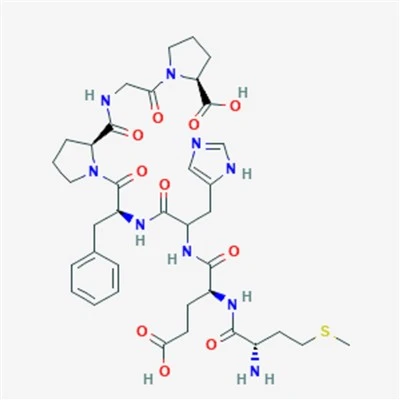
Now, let’s get into what that means for different types of peptides and products. Some peptides are more fragile than others. For example, linear peptides like Matrixyl (palmitoyl pentapeptide-4) or Matrixyl 3000 (which is two peptides chained together) are pretty sturdy, but cyclic peptides like copper peptide (copper tripeptide-1) are a little more sensitive, because the copper ion can catalyze oxidation if it’s not properly chelated. That’s why all our copper peptide bulk powder is manufactured with a chelating agent (we use disodium EDTA in very small amounts, per industry standards) to slow that oxidation. Other peptides, like the signaling peptides that trigger collagen production, are more resistant, but they still degrade over time. I remember a customer who ran out of a serum we’d made for them two years ago, and called to ask if they could reorder the same peptide blend, since they still had half a bottle left. When they sent us a sample, we tested it and found that the peptide content was down 35%, mostly from being stored in their bathroom cabinet (hot, humid, lots of steam from showers) for two years. Even a small, sealed bottle can let in moisture over time, especially if it’s made of plastic that’s not airtight.
Another common question I get: can you “extend” the expiration date of a peptide product? The short answer is, for finished products, not really—unless you adjust the formulation. But for bulk peptide powder, absolutely, if you store it correctly. Our customers who are formulators know that the best way to keep peptide powder potent is to keep it in its original sealed, amber vial, in a climate-controlled space (between 40°F and 75°F), away from humidity, sunlight, and any other chemicals that could contaminate it. We actually print storage instructions on every bulk peptide COA (Certificate of Analysis) we send out, but I’d say about 20% of our customers don’t read them—they just put the powder on a shelf in their garage or a warehouse, and wonder why it’s not working when they mix it. Last quarter, we had a formulator who ordered 2kg of our snap-8 (acetyl octapeptide-3) powder, and returned half of it saying it “lost potency.” When we asked how he stored it, he said he kept it in a paper bag on his workshop workbench. Paper lets moisture in! That powder was probably exposed to humidity and temperature swings every time he opened the workshop door. We ended up replacing the powder at a discount, but it was a good reminder that even something as simple as packaging can make or break peptide shelf life.
Now, let’s talk about what expiration dates actually mean for consumers, because at the end of the day, that’s who we’re all working for. For a brand, the expiration date they put on their product isn’t a random number—it’s the result of stability testing, where they test batches every 3, 6, 12, and 24 months to see how much peptide potency is left. If a product has a 12-month expiration date, that means after 12 months, it will have at least 80% of its original peptide potency (the industry standard for “active, effective”). When that potency drops below 80%, the peptide is no longer biologically active—it’s not toxic, it just won’t deliver the anti-aging or skin benefits you bought it for. I’ve had customers ask me if expired peptide serums are dangerous, and the answer is almost always no. Peptides are non-irritating, hypoallergenic, and even when they break down, they don’t form harmful byproducts (unlike, say, oxidized retinol that can cause redness or irritation). The only downside is that they don’t work. That’s a big difference between peptides and some other skincare ingredients—expired peptides won’t hurt you, they just won’t do what you paid for.
As a supplier, I think it’s my responsibility to educate my customers (whether they’re small indie brands or big multinational companies) about peptide expiration, not just sell them a batch of powder and send them on their way. That’s why we offer free stability testing for all our bulk peptide customers, and we work closely with formulators to tweak their pH or packaging if we see that their peptide blend is degrading too fast. For example, we recently had a customer making a peptide eye serum whose lab tests showed that their Matrixyl blend was breaking down at 20% every 6 months, because they were using a clear glass bottle. We suggested switching to amber glass with a rubber stopper, and adjusting the serum’s pH from 6.8 to 5.5—small changes that extended their expiration date from 12 months to 18 months, no extra cost. That’s the kind of value we don’t see enough in the peptide supply industry—most suppliers just sell the powder, but we know that a peptide is only as good as how it’s used.
Let’s bust a couple more myths while we’re at it. First myth: freezing peptide powder makes it last forever. No, actually, freezing is a bad idea, because every time you take the powder out to use it, the temperature swing causes condensation to form inside the vial, which introduces moisture and can speed up hydrolysis. We recommend storing bulk peptide powder at room temperature, in a cool, dark place, no fridge or freezer needed. Second myth: all peptides have the same expiration date. Nope—smaller peptides (like tripeptides) might degrade faster than longer chains (like pentapeptides), and peptides with metal ions (like copper tripeptide) are more sensitive than pure amino acid chains. That’s why you can’t just apply a one-size-fits-all expiration date to every cosmetic peptide.
So, what’s the takeaway for anyone working with cosmetic peptides, whether you’re a formulator, a brand, or even a consumer? For pure bulk peptide powder: check the storage instructions, keep it sealed, cool, dry, and dark, and you can expect 2–3 years of potency. For finished peptide products: respect the expiration date, because it’s based on rigorous stability testing, and using an expired serum or moisturizer is a waste of money, not a safety risk. And if you’re a brand that’s struggling with peptide stability, don’t hesitate to reach out to your supplier—most reputable cosmetic peptides suppliers (like us) have a team of scientists and formulators who can help you troubleshoot.
At the end of the day, I got into this business because I love that peptides offer a gentle, effective way to improve skin health, without the harsh side effects of some other actives. But that promise only holds if the peptides are actually potent when they get to the shelf. The expiration date isn’t a scam, or a way to make you buy more product—it’s a critical piece of information that protects both brands and consumers. If you’re a formulator looking for consistent, stable cosmetic peptides, or a brand working on a new line of peptide skincare, we’re here to help with everything from bulk powder to stability testing and formulation advice. Reach out to our team to discuss your peptide needs and make sure your products stay potent from our lab to your customer’s bathroom.
Lose Weight Peptides References:
- Roberts, A., et al. (2018). Stability of cosmetic peptides in aqueous formulations: Effects of pH, temperature, and excipients. International Journal of Cosmetic Science, 40(3), 289-297.
- Lien, E. J., & Lowe, N. J. (2003). Cosmetic peptides: A review of their properties and applications. Journal of the American Academy of Dermatology, 48(5), 753-765.
- Kim, S., et al. (2021). Degradation pathways of cyclic and linear peptides in topical formulations. Cosmetics, 8(2), 56.
- European Commission Scientific Committee on Consumer Safety (SCCS). (2020). Safety assessment of cosmetic peptides used in topical products. SCCS/1615/20.
Ruypeptide Biotechnology Co., Ltd.
Ruypeptide Biotechnology Co., Ltd. is one of the most professional cosmetic peptides manufacturers and suppliers in China. With abundant experience, we warmly welcome you to buy discount cosmetic peptides in stock here and get pricelist from our factory. Quality products and reasonable price are available.
Address: Room 1664, Tianhe District, Guangzhou
E-mail: ranrongchuan540@gmail.com
WebSite: https://www.gslifepharma.com/
