In the intricate world of plumbing systems, gaskets play a role that is both understated and indispensable. As a gasket supplier, I’ve witnessed firsthand how these small yet crucial components can make or break the efficiency and reliability of a plumbing setup. In this blog, I’ll delve into the various roles of gaskets in a plumbing system, shedding light on their importance and the value they bring. Gasket

Sealing Function: The Primary Role
The most fundamental role of a gasket in a plumbing system is to create a tight seal. When two pipes, fittings, or other components are joined together, there are often small gaps or irregularities at the connection points. These gaps can lead to leaks, which not only waste water but can also cause damage to the surrounding area. Gaskets act as a barrier, filling these gaps and preventing the escape of water or other fluids.
For example, in a residential plumbing system, a gasket is used between the toilet and the floor flange. This gasket ensures that there are no leaks around the base of the toilet, preventing water from seeping onto the floor and causing water damage. Similarly, in a commercial plumbing system, gaskets are used in pipes that carry hot water, steam, or chemicals. A proper seal is essential to prevent the leakage of these substances, which can be dangerous and costly.
The effectiveness of a gasket’s sealing function depends on several factors, including the material of the gasket, its design, and the installation process. Different materials have different properties, such as flexibility, chemical resistance, and temperature tolerance. For instance, rubber gaskets are commonly used in plumbing systems because they are flexible and can conform to the shape of the connection points. They are also resistant to water and many chemicals. On the other hand, metal gaskets are used in high-pressure and high-temperature applications, as they can withstand extreme conditions.
Vibration and Noise Dampening
In addition to sealing, gaskets also play a role in dampening vibrations and reducing noise in a plumbing system. When water flows through pipes, it can create vibrations, especially when there are sudden changes in pressure or flow rate. These vibrations can cause the pipes to rattle and make noise, which can be annoying and even damaging to the plumbing system over time.
Gaskets act as a cushion between the pipes and the fittings, absorbing the vibrations and reducing the noise. For example, in a plumbing system with a pump, the vibrations generated by the pump can be transmitted through the pipes. By using gaskets at the connection points, the vibrations can be dampened, reducing the noise and preventing damage to the pipes.
Thermal Expansion and Contraction Compensation
Plumbing systems are often exposed to changes in temperature, which can cause the pipes and other components to expand and contract. If these changes are not properly compensated for, it can lead to leaks and other problems. Gaskets can help to compensate for thermal expansion and contraction by providing a flexible seal that can adjust to the changes in size.
For example, in a hot water plumbing system, the pipes can expand when the water is heated. If there is no gasket to compensate for this expansion, the pipes can become stressed and develop leaks. A gasket with the right amount of flexibility can stretch and compress as the pipes expand and contract, maintaining a tight seal.
Chemical Resistance
In some plumbing systems, the fluids being transported can be corrosive or reactive. Gaskets need to be made of materials that are resistant to these chemicals to prevent degradation and ensure a long-lasting seal. For example, in a chemical processing plant, gaskets are used in pipes that carry acids, bases, or other corrosive substances. These gaskets need to be made of materials such as PTFE (polytetrafluoroethylene) or EPDM (ethylene propylene diene monomer), which are highly resistant to chemicals.
Compatibility with Different Materials
Plumbing systems are made up of a variety of materials, including metal, plastic, and rubber. Gaskets need to be compatible with these different materials to ensure a proper seal. For example, if a gasket is used between a metal pipe and a plastic fitting, it needs to be able to adhere to both materials and provide a tight seal.
Installation and Maintenance
Proper installation and maintenance of gaskets are crucial to their performance. During installation, it is important to ensure that the gasket is clean, dry, and free of any debris. It should also be installed correctly, with the right amount of compression. Over-compression can damage the gasket, while under-compression can result in a leak.
Regular maintenance of gaskets is also important. This includes inspecting the gaskets for signs of wear, damage, or degradation. If a gasket is found to be damaged, it should be replaced immediately to prevent leaks and other problems.
The Importance of Choosing the Right Gasket
As a gasket supplier, I understand the importance of choosing the right gasket for a plumbing system. The wrong gasket can lead to leaks, inefficiencies, and even safety hazards. When selecting a gasket, it is important to consider factors such as the type of fluid being transported, the temperature and pressure of the system, and the materials of the pipes and fittings.
For example, if a plumbing system is used to transport hot water, a gasket with high temperature resistance should be chosen. If the system is used to transport chemicals, a gasket with chemical resistance should be selected. By choosing the right gasket, the performance and reliability of the plumbing system can be greatly improved.
Conclusion
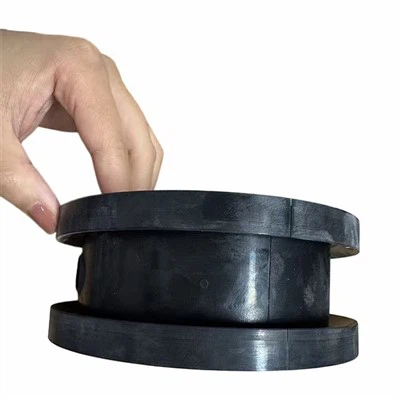
In conclusion, gaskets play a vital role in a plumbing system. They provide a tight seal, dampen vibrations and noise, compensate for thermal expansion and contraction, and resist chemicals. By choosing the right gasket and ensuring proper installation and maintenance, the efficiency and reliability of a plumbing system can be greatly enhanced.
Caps & Plugs If you are in need of high-quality gaskets for your plumbing system, I invite you to reach out to me. As a gasket supplier, I have a wide range of gaskets available in different materials, sizes, and designs to meet your specific needs. Whether you are a homeowner, a contractor, or a business owner, I can help you find the right gasket for your plumbing system. Contact me today to discuss your requirements and explore the options available.
References
- "Plumbing Engineering: Design and Installation" by Stephen A. Kummer
- "Handbook of Gaskets and Sealing Technology" by Robert K. Singh
- "Materials Science and Engineering: An Introduction" by William D. Callister Jr.
Haining Chaoyue Seals Co., Ltd.
As one of the most professional gasket manufacturers and suppliers in China, we offer a wide range of products with superior quality. Please feel free to wholesale high quality gasket made in China here from our factory. Also, custom service is available.
Address: Building 9, 158 Lianhong Road, Yuanhua Town, Jiaxing, Zhejiang, China.
E-mail: chaoyue@cyseals.com
WebSite: https://www.hncyseal.com/
