Electronic shaft rotogravure printing is a well – established and highly efficient printing method that has found its application in a wide range of industries and substrates. As a leading supplier of electronic shaft rotogravure printing equipment, I am often asked about the feasibility of printing on unconventional materials, such as glass. In this blog post, I will delve into the question of whether electronic shaft rotogravure printing can print on glass, exploring the technical aspects, challenges, and potential solutions. Electronic Shaft Rotogravure Printing
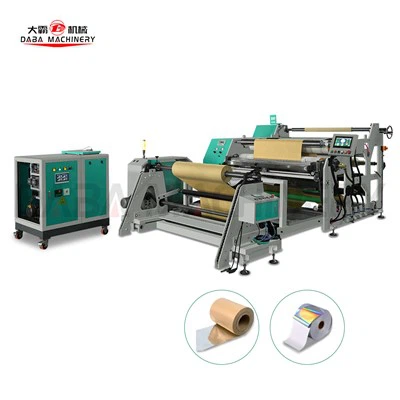
Understanding Electronic Shaft Rotogravure Printing
Before discussing its application on glass, it is essential to understand the fundamentals of electronic shaft rotogravure printing. This printing technique involves engraving an image onto a cylinder, which is then inked and pressed against the substrate to transfer the image. The electronic shaft system allows for precise control of the printing process, ensuring high – quality and consistent prints. It offers advantages such as high – speed printing, excellent color reproduction, and the ability to print on a variety of materials, including paper, plastic, and metal.
Technical Considerations for Printing on Glass
Glass presents a unique set of challenges compared to traditional printing substrates. One of the primary considerations is the surface properties of glass. Glass is a smooth, non – porous material, which makes it difficult for ink to adhere. Unlike paper or plastic, which have some degree of porosity that allows the ink to soak in, glass requires special inks and printing techniques to ensure proper adhesion.
Another technical challenge is the heat sensitivity of glass. During the printing process, heat may be generated, either from the printing equipment or the drying process. Glass can expand and contract due to temperature changes, which may lead to cracking or warping if not properly managed. This requires careful control of the printing environment and the use of appropriate heating and cooling methods.
Ink Selection for Glass Printing
The choice of ink is crucial when printing on glass using electronic shaft rotogravure printing. Specialized glass inks are designed to adhere to the smooth surface of glass and withstand various environmental conditions. These inks typically contain binders and additives that help improve adhesion and durability.
There are different types of glass inks available, including solvent – based, UV – curable, and water – based inks. Solvent – based inks have been widely used in the past due to their good adhesion and drying properties. However, they may release volatile organic compounds (VOCs), which can be harmful to the environment and human health. UV – curable inks are becoming increasingly popular as they offer fast curing times, high – gloss finishes, and reduced environmental impact. Water – based inks are also an option, providing a more eco – friendly alternative, although they may require additional drying steps.
Surface Treatment of Glass
To improve ink adhesion, surface treatment of glass is often necessary. One common method is to clean the glass surface thoroughly to remove any contaminants, such as dust, grease, or fingerprints. This can be done using a variety of cleaning agents, such as isopropyl alcohol or specialized glass cleaners.
In addition to cleaning, surface activation techniques can be employed. Plasma treatment is a popular method that uses a high – energy plasma to modify the surface of the glass, creating a more reactive surface for ink adhesion. Another approach is to apply a primer or coating to the glass surface before printing. The primer can act as an intermediate layer between the glass and the ink, improving adhesion and providing a better surface for printing.
Printing Process and Equipment Adaptation
Printing on glass using electronic shaft rotogravure printing may require some adaptations to the printing process and equipment. For example, the pressure applied during printing needs to be carefully adjusted to ensure proper ink transfer without damaging the glass. The printing speed may also need to be reduced compared to printing on other substrates to allow for better ink adhesion and drying.
The drying process is another critical aspect. As mentioned earlier, glass is heat – sensitive, so the drying method needs to be carefully selected. UV – curing is a popular option as it allows for fast and efficient drying without generating excessive heat. However, it requires the use of UV – curable inks and appropriate UV – curing equipment.
Case Studies and Examples
There have been some successful applications of electronic shaft rotogravure printing on glass in various industries. For instance, in the automotive industry, glass parts such as windshields and side windows can be printed with decorative or functional patterns using this technique. In the consumer electronics industry, glass screens can be printed with logos, icons, and other graphics.
One example is a company that specializes in printing on glassware for the beverage industry. They use electronic shaft rotogravure printing to print labels and designs on glass bottles and jars. By carefully selecting the inks, treating the glass surface, and optimizing the printing process, they are able to achieve high – quality and durable prints.
Challenges and Limitations
Despite the potential of electronic shaft rotogravure printing on glass, there are still some challenges and limitations. One of the main challenges is the high cost associated with the specialized inks, surface treatment, and equipment adaptations. This may make it less economically viable for small – scale or low – volume printing projects.
Another limitation is the limited flexibility in terms of design. The engraving process for the printing cylinder is relatively time – consuming and expensive, which may restrict the ability to make frequent design changes. Additionally, the printing resolution may be limited compared to some other printing methods, especially for very detailed or high – resolution designs.
Future Outlook
The future of electronic shaft rotogravure printing on glass looks promising. As technology continues to advance, we can expect to see improvements in ink formulations, surface treatment techniques, and printing equipment. This will make it more cost – effective and accessible for a wider range of applications.
There is also a growing demand for printed glass in various industries, such as architecture, interior design, and consumer products. Electronic shaft rotogravure printing has the potential to meet this demand by providing high – quality, durable, and customizable prints on glass.
Conclusion

In conclusion, electronic shaft rotogravure printing can be used to print on glass, but it requires careful consideration of the technical aspects, including ink selection, surface treatment, and printing process adaptation. While there are challenges and limitations, with the right approach and technology, it is possible to achieve high – quality prints on glass.
Bag Making Machine As a supplier of electronic shaft rotogravure printing equipment, we are committed to providing our customers with the latest technology and solutions for printing on glass. If you are interested in exploring the possibilities of printing on glass using our equipment, we invite you to contact us for a consultation. We can help you determine the best approach for your specific needs and provide you with the support and resources you need to succeed in your printing projects.
References
- Smith, J. (2018). "Advances in Glass Printing Technologies". Journal of Printing Science and Technology, 25(3), 123 – 135.
- Brown, A. (2019). "Ink Formulations for Glass Printing". International Journal of Ink Technology, 12(2), 78 – 85.
- Green, C. (2020). "Surface Treatment of Glass for Printing Applications". Glass Science and Technology, 30(4), 201 – 210.
Wenzhou Daba Machinery Co., Ltd.
With abundant experience, we are one of the most professional electronic shaft rotogravure printing manufacturers and suppliers in China. We warmly welcome you to wholesale advanced electronic shaft rotogravure printing at competitive price from our factory. If you have any enquiry about cooperation, please feel free to email us.
Address: Qianbu Industrial Zone, Xincheng Street, Ruian City, Wenzhou, China.
E-mail: info1@dabamachinery.com
WebSite: https://www.dabaflexpack.com/
