Hey there! I’m a supplier of precast bridge beam and column molds. Over the years, I’ve seen a lot in this industry, and one of the most common questions I get is how to optimize the design of these molds. So, let’s dive right into it. Precast Bridge Beam And Column Molds

Understanding the Basics
First off, we need to understand what we’re dealing with. Precast bridge beam and column molds are used to create the structural components of bridges. These molds need to be designed in a way that ensures the quality, strength, and durability of the precast elements.
The design process starts with understanding the specific requirements of the bridge project. This includes the dimensions, shape, and load – bearing capacity of the beams and columns. For example, if it’s a small pedestrian bridge, the requirements will be different from a large highway bridge.
Material Selection
The choice of material for the molds is crucial. Steel is a popular choice because it’s strong, durable, and can withstand the high pressures and forces involved in the precasting process. It also allows for precise machining, which is essential for creating accurate molds.
Aluminum is another option. It’s lighter than steel, which makes it easier to handle and transport. However, it may not be as strong as steel, so it’s more suitable for smaller or less demanding projects.
When selecting the material, we also need to consider the cost. Steel is generally more expensive than aluminum, but it offers better long – term value due to its durability.
Design for Ease of Use
One of the key aspects of optimizing the mold design is to make it easy to use. This includes features like easy demolding. The mold should be designed in a way that allows the precast elements to be removed without causing damage.
We can use techniques like tapered walls in the mold. Tapered walls make it easier to lift the precast element out of the mold. Also, using release agents can help reduce the friction between the mold and the precast concrete, making demolding a breeze.
Another important factor is the handling of the mold. It should be designed with lifting points or handles that make it easy to move the mold around the precasting yard. This not only improves efficiency but also reduces the risk of accidents.
Design for Flexibility
In the bridge construction industry, there are often changes in the design requirements. So, the mold should be designed to be flexible. For example, we can design modular molds. Modular molds consist of individual sections that can be combined in different ways to create different shapes and sizes of beams and columns.
This flexibility allows us to adapt to changes in the project without having to invest in new molds. It also reduces the overall cost of the project, as we can reuse the mold components for different projects.
Quality Control in Design
Quality control is an integral part of the mold design process. We need to ensure that the mold meets all the relevant standards and specifications. This includes checking the dimensions, surface finish, and strength of the mold.
We can use advanced manufacturing techniques like CNC machining to ensure the accuracy of the mold. CNC machining allows for precise control of the cutting and shaping process, resulting in high – quality molds.
Regular inspections during the manufacturing process are also important. This helps us identify and correct any issues early on, ensuring that the final mold is of the highest quality.
Cost – Efficiency
Cost – efficiency is a major concern in any project. When designing the precast bridge beam and column molds, we need to find a balance between quality and cost.
One way to reduce costs is to optimize the use of materials. For example, we can use thinner steel plates without compromising the strength of the mold. We can also look for ways to reduce the manufacturing time, as labor costs can be a significant part of the overall cost.
Another cost – saving measure is to design the mold for easy maintenance. A well – maintained mold has a longer lifespan, which reduces the need for frequent replacements.
Collaboration with the Construction Team
As a mold supplier, it’s important to collaborate closely with the construction team. They can provide valuable insights into the specific requirements of the project. For example, they can tell us about the site conditions, the type of concrete to be used, and the construction schedule.
By working together, we can design molds that are better suited to the project. This collaboration also helps in identifying and solving any potential problems early on, which can save time and money in the long run.
Environmental Considerations
In today’s world, environmental considerations are becoming increasingly important. When designing the molds, we should look for ways to reduce the environmental impact.
For example, we can use recycled materials in the manufacturing process. This not only reduces the demand for new raw materials but also helps in reducing waste.
We can also design the molds in a way that minimizes the use of energy during the precasting process. For example, using insulation materials in the mold can reduce the energy required to heat the concrete during curing.
Testing and Validation
Before the molds are put into production, they need to be tested and validated. This includes testing the mold for dimensional accuracy, strength, and durability.
We can use computer – aided design (CAD) software to simulate the precasting process and predict the performance of the mold. This helps us identify any potential issues and make necessary adjustments before the actual production.
Physical testing is also important. We can conduct trial runs with the mold to ensure that it works as expected. This includes checking the demolding process, the quality of the precast elements, and the overall performance of the mold.
Conclusion
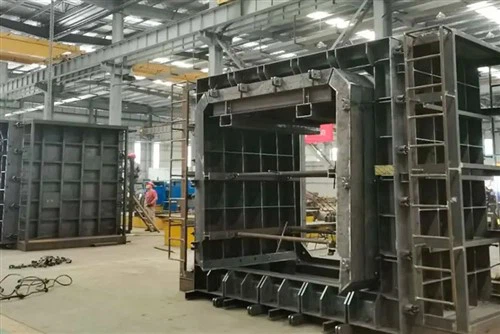
Optimizing the design of precast bridge beam and column molds is a complex but rewarding process. By considering factors like material selection, ease of use, flexibility, quality control, cost – efficiency, collaboration, environmental impact, and testing, we can create molds that are not only high – quality but also meet the specific needs of the bridge project.
Precast Molding Platform If you’re in the market for precast bridge beam and column molds, I’d love to have a chat with you. Whether you have a small project or a large – scale bridge construction, I can help you design and manufacture the perfect molds. Reach out to me, and let’s start a conversation about how we can work together to make your project a success.
References
- "Precast Concrete Structures: Design and Construction" by ACI Committee 533
- "Bridge Engineering Handbook" edited by Wei – Chen Yeh
- "Mold Design and Manufacturing Technology" by various industry experts
Zhejiang Zhuangchen Construction Technology Co., Ltd
Address: No. 18, Wuniu Road, Mingxing Village, Qianyuan Town, Deqing County, Huzhou City, Zhejiang Province
E-mail: 1627167367@qq.com
WebSite: https://www.zcmade.com/
