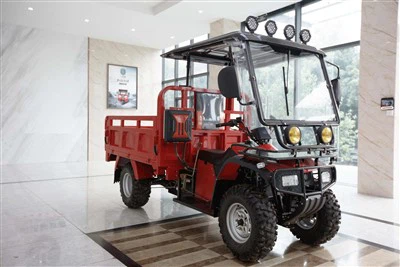
As a supplier of gasoline passenger tricycles, I often encounter inquiries about the braking system of these vehicles. The braking system is a crucial component that ensures the safety and reliability of gasoline passenger tricycles. In this blog, I will delve into the details of the braking system of gasoline passenger tricycles, including its types, working principles, and maintenance. Gasoline Passenger Tricycle
Types of Braking Systems in Gasoline Passenger Tricycles
There are mainly two types of braking systems used in gasoline passenger tricycles: drum brakes and disc brakes. Each type has its own characteristics and advantages.
Drum Brakes
Drum brakes are a traditional braking system that has been widely used in various vehicles for a long time. In a drum brake system, the brake shoes are located inside a drum that rotates with the wheel. When the brake pedal is pressed, the brake shoes are forced against the inner surface of the drum, creating friction and slowing down the wheel.
One of the main advantages of drum brakes is their simplicity and relatively low cost. They are also less affected by water and dirt compared to disc brakes, making them suitable for use in harsh environments. However, drum brakes tend to generate more heat during braking, which can lead to brake fade over time. Additionally, the braking performance of drum brakes may be affected by wear and tear, requiring regular maintenance.
Disc Brakes
Disc brakes are a more modern and advanced braking system that has become increasingly popular in recent years. In a disc brake system, a disc (also known as a rotor) is attached to the wheel hub, and brake calipers are used to squeeze the disc from both sides when the brake pedal is pressed. This creates friction and slows down the wheel.
Disc brakes offer several advantages over drum brakes. They provide better braking performance, especially in high-speed and heavy-duty applications. Disc brakes also have better heat dissipation capabilities, which helps to prevent brake fade and maintain consistent braking performance. In addition, disc brakes are easier to maintain and inspect compared to drum brakes. However, disc brakes are generally more expensive than drum brakes and may require more complex installation and maintenance procedures.
Working Principles of the Braking System
The braking system of a gasoline passenger tricycle works on the principle of converting kinetic energy into heat energy through friction. When the driver presses the brake pedal, a series of mechanical and hydraulic components are activated to apply the brakes.
Mechanical Braking System
In a mechanical braking system, the brake pedal is connected to the brake shoes or calipers through a series of rods and levers. When the brake pedal is pressed, the force is transmitted to the brake shoes or calipers, causing them to press against the drum or disc and create friction. Mechanical braking systems are relatively simple and reliable, but they require more physical effort from the driver to operate.
Hydraulic Braking System
Most modern gasoline passenger tricycles are equipped with hydraulic braking systems. In a hydraulic braking system, the brake pedal is connected to a master cylinder, which contains brake fluid. When the brake pedal is pressed, the master cylinder applies pressure to the brake fluid, which is then transmitted through a series of brake lines to the brake calipers or wheel cylinders. The pressure in the brake lines causes the brake calipers or wheel cylinders to expand, forcing the brake pads or shoes against the drum or disc and creating friction.
Hydraulic braking systems offer several advantages over mechanical braking systems. They provide more precise and consistent braking performance, require less physical effort from the driver, and are less prone to wear and tear. However, hydraulic braking systems are more complex and require regular maintenance to ensure proper operation.
Maintenance of the Braking System
Proper maintenance of the braking system is essential to ensure the safety and reliability of gasoline passenger tricycles. Here are some important maintenance tips:
Regular Inspection
Regularly inspect the brake pads, shoes, discs, drums, and brake lines for signs of wear and damage. Replace any worn or damaged components immediately to ensure proper braking performance.
Brake Fluid Check
Check the brake fluid level regularly and top it up if necessary. Brake fluid should be changed according to the manufacturer’s recommendations to prevent corrosion and ensure proper operation of the hydraulic braking system.
Brake Adjustment
Adjust the brakes regularly to ensure proper clearance between the brake pads or shoes and the drum or disc. Improper brake adjustment can lead to reduced braking performance and increased wear on the braking components.
Cleaning
Keep the braking system clean and free of dirt, debris, and moisture. Use a clean cloth or brush to remove any dirt or debris from the brake components, and avoid using harsh chemicals or solvents that may damage the braking system.
Importance of a Reliable Braking System
A reliable braking system is crucial for the safety of passengers and the driver of a gasoline passenger tricycle. A malfunctioning braking system can lead to accidents and injuries, so it is important to ensure that the braking system is in good working condition at all times.
As a supplier of gasoline passenger tricycles, we understand the importance of providing high-quality braking systems that meet the highest safety standards. Our tricycles are equipped with reliable braking systems that are designed to provide excellent braking performance and ensure the safety of passengers and the driver.
Conclusion
In conclusion, the braking system is a critical component of a gasoline passenger tricycle that ensures the safety and reliability of the vehicle. There are two main types of braking systems used in gasoline passenger tricycles: drum brakes and disc brakes. Each type has its own characteristics and advantages, and the choice of braking system depends on various factors such as cost, performance, and application.

Proper maintenance of the braking system is essential to ensure its proper operation and longevity. Regular inspection, brake fluid check, brake adjustment, and cleaning are important maintenance tasks that should be performed regularly.
Gasoline Motor If you are interested in purchasing gasoline passenger tricycles, we invite you to contact us for more information. Our team of experts will be happy to assist you in choosing the right tricycle for your needs and provide you with detailed information about the braking system and other features.
References
- Automotive Braking Systems: Principles, Diagnosis, and Service by James D. Halderman
- Motor Vehicle Technology by David Crolla
- The Automotive Handbook by Bosch
Chongqing Dunya Industrial Co., Ltd
We’re professional gasoline passenger tricycle manufacturers in China, providing high quality customized products with low price. Please feel free to buy discount gasoline passenger tricycle made in China here from our factory.
Address: NO.52 Shuangxing Avenue, Biquan Street, Bishan District, Chongqing, China.
E-mail: dy17265432362@163.com
WebSite: https://www.moto-in-china.com/
