Hey there! I’m a supplier of electric actuators, and I’ve seen a lot of folks scratching their heads when it comes to choosing the right one. It can be a bit of a maze out there, but don’t worry – I’m here to break it down for you in a way that’s easy to understand. Electric Actuator

Understanding Your Needs
First things first, you’ve got to figure out what you need the electric actuator for. Are you using it in a manufacturing setting to control valves? Maybe it’s for a robotics project or an automated door system. The application will determine a lot about the type of actuator you need.
For example, if you’re working in a factory environment where you need to control the flow of liquids or gases through pipes, you’ll want an actuator that can handle high pressures and has precise control. On the other hand, if you’re building a small DIY project, you might be looking for something more compact and affordable.
Types of Electric Actuators
There are a few different types of electric actuators out there, and each has its own pros and cons.
Linear Actuators
Linear actuators are great for applications where you need straight-line motion. They’re commonly used in things like adjustable desks, hospital beds, and industrial machinery. These actuators work by converting rotational motion into linear motion, and they come in different sizes and force capacities.
If you need to move something a short distance with a high amount of force, a linear actuator might be the way to go. Just make sure to consider the stroke length (how far the actuator can move) and the speed at which it can operate.
Rotary Actuators
Rotary actuators, as the name suggests, are used for applications that require rotational motion. They’re often used in robotics, valve control, and automation systems. Rotary actuators can be either single-acting or double-acting, depending on whether they can rotate in one direction or both.
When choosing a rotary actuator, think about the torque requirements (how much force is needed to rotate the object) and the angle of rotation. You’ll also want to consider the speed and accuracy of the actuator.
Multi-Turn Actuators
Multi-turn actuators are designed for applications where you need to open or close a valve or other device by making multiple turns. They’re commonly used in larger industrial valves and can provide high torque and precise control.
If you’re working with a large valve that requires multiple turns to fully open or close, a multi-turn actuator is probably your best bet. Just make sure to check the number of turns required and the torque capacity of the actuator.
Factors to Consider
Now that you know the different types of electric actuators, let’s talk about some of the other factors you should consider when making your decision.
Force and Torque
The force and torque requirements of your application are crucial. You need to make sure that the actuator you choose can provide enough force to move the load and that it has the right torque to handle the rotational requirements.
If you’re not sure what the force and torque requirements are, you can consult with an engineer or use a force and torque calculator. It’s better to overestimate the requirements than to choose an actuator that’s too weak.
Speed and Accuracy
The speed and accuracy of the actuator are also important. If you need the actuator to move quickly, you’ll want to choose one with a high speed rating. On the other hand, if you need precise control, you’ll want an actuator with a high accuracy rating.
Keep in mind that there’s often a trade-off between speed and accuracy. If you need both, you might need to look for an actuator that offers a good balance between the two.
Environmental Conditions
The environmental conditions in which the actuator will be used are another important consideration. If the actuator will be exposed to extreme temperatures, moisture, dust, or chemicals, you’ll need to choose one that’s designed to withstand these conditions.
For example, if you’re using the actuator in a food processing plant, you’ll need to choose one that’s made of food-grade materials and can be easily cleaned. If you’re using it in an outdoor environment, you’ll need to choose one that’s weatherproof and corrosion-resistant.
Mounting and Installation
The mounting and installation requirements of the actuator are also important. You need to make sure that the actuator can be easily mounted and installed in your application.
Some actuators come with mounting brackets and other accessories, while others require you to purchase them separately. Make sure to check the mounting requirements and dimensions of the actuator before you make your purchase.
Cost
Of course, cost is always a factor when it comes to choosing an electric actuator. You want to make sure that you’re getting a good value for your money, but you also don’t want to sacrifice quality for price.
When comparing prices, make sure to consider the features and performance of the actuator. A more expensive actuator might offer better performance, durability, and reliability, which can save you money in the long run.
Making the Right Choice
So, how do you make the right choice when it comes to choosing an electric actuator? Here are some tips to help you out:
- Do your research: Before you make a purchase, do some research on the different types of electric actuators and the features and performance that are important to you.
- Consult with an expert: If you’re not sure what type of actuator you need, consult with an engineer or a supplier. They can help you choose the right actuator for your application.
- Read reviews: Read reviews from other customers to get an idea of the quality and performance of the actuator.
- Compare prices: Compare prices from different suppliers to make sure you’re getting a good deal.
- Consider the warranty: Make sure to choose an actuator that comes with a good warranty. This will give you peace of mind in case something goes wrong.
Contact Us
If you’re still not sure which electric actuator is right for you, or if you have any questions or concerns, don’t hesitate to contact us. We’re here to help you make the right choice and ensure that you get the best possible product for your needs.
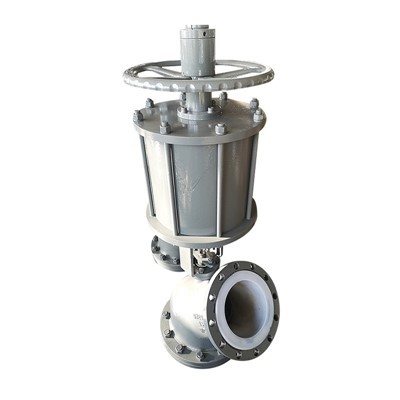
We offer a wide range of electric actuators, including linear actuators, rotary actuators, and multi-turn actuators. Our products are designed to provide high performance, reliability, and durability, and we offer competitive prices and excellent customer service.
Pneumatic Conveying Pump So, if you’re in the market for an electric actuator, give us a call or send us an email today. We’d love to hear from you and help you find the perfect actuator for your application.
References
- Electric Actuator Handbook
- Industrial Automation Technology Magazine
- Actuator Manufacturer’s Catalogs
Chongqing Hongar Industries Co., Ltd.
We’re professional electric actuator manufacturers and suppliers in China, specialized in providing high quality customized service. We warmly welcome you to wholesale discount electric actuator in stock here from our factory. For price consultation, contact us.
Address: F9-16, A2, ZHONGNAN JIUCHENG, BEIBEI DISTRICT, CHONGQING, CHINA
E-mail: valves@hongarvalve.com
WebSite: https://www.hongarvalve.com/
