When dealing with cryogenic ball valves, selecting the appropriate actuators is crucial for ensuring reliable and efficient operation. As a cryogenic ball valve supplier, I understand the significance of this decision and the impact it can have on the overall performance of the system. In this blog, I will explore the different types of actuators suitable for cryogenic ball valves, considering their characteristics, advantages, and limitations. Cryogenic Ball Valve

Electric Actuators
Electric actuators are a popular choice for cryogenic ball valves due to their precise control and ease of integration with automation systems. They operate by converting electrical energy into mechanical motion, allowing for accurate positioning of the ball valve. One of the key advantages of electric actuators is their ability to provide consistent and repeatable performance, making them ideal for applications where precise control is required.
Electric actuators can be further classified into two main types: multi – turn and quarter – turn. Multi – turn electric actuators are typically used for valves that require multiple rotations to open or close, such as gate valves. However, for cryogenic ball valves, which are quarter – turn valves (require a 90 – degree rotation to open or close), quarter – turn electric actuators are more commonly used.
These actuators offer several benefits in cryogenic applications. They can be easily programmed to operate at specific speeds and torques, which is essential for cryogenic systems where sudden movements can cause damage to the valve or the surrounding equipment. Additionally, electric actuators can be equipped with position sensors, allowing for real – time monitoring of the valve position. This feature is particularly useful in cryogenic applications, where remote monitoring and control are often necessary.
However, electric actuators also have some limitations. They require a reliable power source, which can be a challenge in cryogenic environments where power supply may be limited or unreliable. In addition, the electrical components of the actuator may be sensitive to extreme cold temperatures, which can affect their performance and lifespan.
Pneumatic Actuators
Pneumatic actuators are another common choice for cryogenic ball valves. They operate by using compressed air to generate mechanical motion, providing a simple and cost – effective solution for valve control. Pneumatic actuators are known for their fast response times and high torque capabilities, making them suitable for applications where quick valve operation is required.
In cryogenic applications, pneumatic actuators offer several advantages. They are relatively simple in design, which makes them easy to install and maintain. They are also less sensitive to extreme cold temperatures compared to electric actuators, as the compressed air used to operate the actuator is not affected by the low temperatures.
Pneumatic actuators can be either double – acting or spring – return. Double – acting pneumatic actuators use compressed air to both open and close the valve, while spring – return actuators use compressed air to open the valve and a spring to close it. The choice between these two types depends on the specific requirements of the application. For example, in a fail – safe scenario, a spring – return actuator may be preferred, as it will automatically close the valve in the event of a loss of air pressure.
However, pneumatic actuators also have some drawbacks. They require a reliable source of compressed air, which can be expensive to generate and maintain. In addition, the performance of pneumatic actuators can be affected by changes in air pressure and temperature, which may require additional control measures to ensure consistent operation.
Hydraulic Actuators
Hydraulic actuators are often used in applications where high torque is required, such as large – diameter cryogenic ball valves. They operate by using hydraulic fluid to generate mechanical motion, providing a powerful and reliable solution for valve control.
One of the main advantages of hydraulic actuators is their high torque capacity. They can generate significantly more torque than electric or pneumatic actuators, making them suitable for applications where large forces are needed to open or close the valve. Hydraulic actuators also offer precise control, allowing for accurate positioning of the valve.
In cryogenic applications, hydraulic actuators can be designed to withstand extreme cold temperatures. Specialized hydraulic fluids can be used that have low viscosity at low temperatures, ensuring smooth operation of the actuator. However, hydraulic actuators are more complex and expensive compared to electric and pneumatic actuators. They require a hydraulic power unit, which includes a pump, reservoir, and control valves, adding to the overall cost and complexity of the system.
Manual Actuators
Manual actuators are the simplest type of actuator and are often used in small – scale cryogenic applications or as a backup in case of power or air failure. They require human intervention to operate the valve, typically using a handwheel or a lever.
Manual actuators are cost – effective and easy to install. They do not require a power source or compressed air, making them suitable for applications where these resources are not available. However, they are limited in terms of the torque they can generate and the speed of operation. In large – scale cryogenic systems, manual actuators may not be practical due to the high forces required to operate the valve.
Considerations for Selecting Actuators
When selecting an actuator for a cryogenic ball valve, several factors need to be considered.
Temperature: Cryogenic applications involve extremely low temperatures, which can affect the performance and lifespan of the actuator. It is important to choose an actuator that is designed to operate in these conditions. For example, the materials used in the actuator should be able to withstand the cold without becoming brittle or losing their mechanical properties.
Torque Requirements: The torque required to open and close the cryogenic ball valve depends on several factors, including the valve size, pressure, and the type of seat material. It is essential to select an actuator that can provide the necessary torque to ensure proper operation of the valve.
Control Requirements: The level of control required for the cryogenic ball valve also plays a role in actuator selection. If precise control is necessary, an electric actuator with position feedback may be the best choice. On the other hand, if fast operation is more important, a pneumatic or hydraulic actuator may be more suitable.
Reliability and Safety: In cryogenic applications, reliability and safety are of utmost importance. The actuator should be able to operate consistently and without failure, even in harsh conditions. Additionally, fail – safe features, such as spring – return actuators, may be required to ensure the safety of the system in case of power or air failure.
Conclusion
As a cryogenic ball valve supplier, I understand that choosing the right actuator is a critical decision that can impact the performance and reliability of the entire system. Electric, pneumatic, hydraulic, and manual actuators each have their own advantages and limitations, and the selection should be based on the specific requirements of the application.
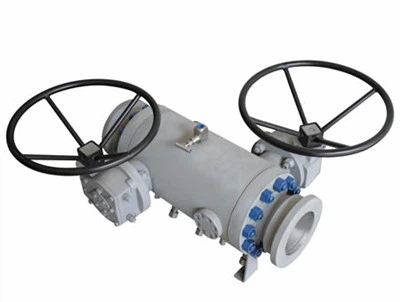
Double Block&Bleed Ball Valve If you are in the market for cryogenic ball valves and need assistance in selecting the appropriate actuator, I encourage you to contact us for a consultation. Our team of experts can help you evaluate your needs and recommend the best solution for your application. We are committed to providing high – quality cryogenic ball valves and actuators that meet the highest standards of performance and reliability.
References
- "Valve Handbook" by J. E. A. Crolla
- "Cryogenic Engineering" by R. Barron
- Technical literature from major actuator manufacturers
Platinum Valve (Zhejiang) Co., Ltd.
We’re well-known as one of the leading cryogenic ball valve manufacturers and suppliers in China. Welcome to buy high quality cryogenic ball valve made in China here from our factory. For customized service, contact us now.
Address: Heyi Industrial Zone, Oubei Town, Yongjia County, Zhejiang Province,China
E-mail: sales@platinumvalve.com
WebSite: https://www.topballvalve.com/
