Poultry farming is a significant industry worldwide, and maintaining the health of chickens is crucial for both economic and ethical reasons. As a supplier of poultry mould products, I’ve often been asked about the potential link between poultry mould and swelling in chickens. In this blog, I’ll delve into the scientific aspects of this question, exploring how poultry mould can affect chickens and whether it can cause swelling. Poultry Mould

Understanding Poultry Mould
Poultry mould refers to various types of fungi that can grow in poultry environments. These moulds can thrive in feed, bedding, and the overall poultry house environment, especially under conditions of high humidity and poor ventilation. Common types of moulds found in poultry settings include Aspergillus, Penicillium, and Fusarium.
Aspergillus is particularly well – known in the poultry industry. It can produce mycotoxins, which are toxic substances. Mycotoxins can have a wide range of effects on chickens, from reduced growth rates to immunosuppression and organ damage.
How Poultry Mould Affects Chickens
When chickens are exposed to poultry mould, they can ingest or inhale the mould spores or mycotoxins. Ingestion usually occurs when chickens consume mouldy feed. Once inside the chicken’s body, mycotoxins can disrupt normal physiological processes.
For example, mycotoxins can damage the liver and kidneys. The liver is responsible for detoxifying the body, and when it is damaged by mycotoxins, it may not function properly. This can lead to a buildup of toxins in the body, which can cause a variety of health problems.
In addition to internal organ damage, mycotoxins can also affect the immune system of chickens. A weakened immune system makes chickens more susceptible to infections. Bacterial, viral, and fungal infections can then set in, further compromising the health of the chickens.
Can Poultry Mould Cause Swelling in Chickens?
The answer is yes, poultry mould can potentially cause swelling in chickens, and there are several ways this can happen.
1. Inflammatory Response
When chickens are exposed to mycotoxins, their bodies may mount an inflammatory response. Inflammation is the body’s natural way of fighting off foreign substances. However, excessive inflammation can lead to swelling. For example, if a chicken’s respiratory system is exposed to mould spores, the airways may become inflamed, leading to swelling of the respiratory tissues. This can cause difficulty in breathing and other respiratory problems.
2. Organ Damage and Fluid Retention
As mentioned earlier, mycotoxins can damage the liver and kidneys. The kidneys are responsible for regulating the body’s fluid balance. When they are damaged, they may not be able to function properly, leading to fluid retention. This can result in swelling, especially in the legs and abdomen of the chickens.
3. Secondary Infections
Poultry mould can weaken the immune system of chickens, making them more prone to secondary infections. Bacterial infections, in particular, can cause swelling. For example, if a chicken develops a bacterial infection in its joints, it can lead to joint swelling, a condition known as arthritis.
Signs of Swelling in Chickens
It’s important for poultry farmers to be able to recognize the signs of swelling in chickens. Some common signs include:
- Visible swelling in the legs, feet, or abdomen.
- Difficulty walking or standing due to swollen joints.
- Labored breathing, which may be a sign of swelling in the respiratory system.
- Reduced appetite and activity levels.
Preventing Poultry Mould and Swelling
As a poultry mould supplier, I understand the importance of prevention. Here are some steps that poultry farmers can take to prevent poultry mould and the associated swelling in chickens:
1. Proper Feed Storage
Feed should be stored in a dry, well – ventilated area. This helps to prevent the growth of mould in the feed. It’s also important to regularly check the feed for signs of mould and discard any mouldy feed immediately.
2. Good Ventilation in the Poultry House
Proper ventilation helps to reduce humidity levels in the poultry house. High humidity is a major factor in the growth of mould. By ensuring good air circulation, farmers can create an environment that is less conducive to mould growth.
3. Regular Cleaning and Disinfection
The poultry house should be cleaned and disinfected regularly. This helps to remove any mould spores that may be present in the environment. Bedding should also be changed frequently to prevent the buildup of mould.
4. Use of Poultry Mould Inhibitors
Our company offers a range of poultry mould inhibitors that can be added to the feed or used in the poultry house. These inhibitors help to prevent the growth of mould and reduce the risk of mycotoxin contamination.
The Role of a Poultry Mould Supplier
As a poultry mould supplier, we play a crucial role in the poultry industry. We provide products that help farmers protect their chickens from the harmful effects of poultry mould. Our products are scientifically formulated to be effective in preventing mould growth and reducing the impact of mycotoxins.
We also offer technical support to our customers. Our team of experts can provide advice on the proper use of our products, as well as on general poultry health management. We understand that every poultry farm is unique, and we work closely with our customers to develop customized solutions.
Conclusion
In conclusion, poultry mould can indeed cause swelling in chickens through various mechanisms such as inflammatory responses, organ damage, and secondary infections. Poultry farmers need to be vigilant in preventing the growth of poultry mould in their farms. By taking proper preventive measures and using high – quality poultry mould inhibitors, they can protect the health of their chickens and ensure the success of their poultry operations.
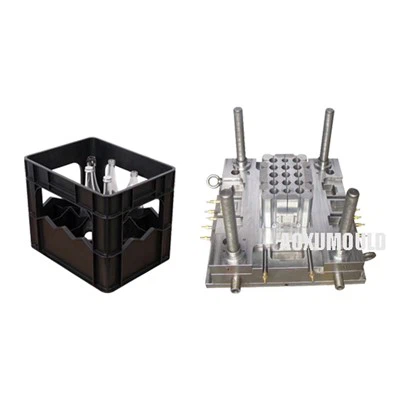
Plastic Crate Mould If you are a poultry farmer looking for effective solutions to prevent poultry mould and protect your chickens’ health, we are here to help. We invite you to contact us to discuss your specific needs and explore how our products can benefit your poultry farm. Our team of experts is ready to provide you with the best advice and support.
References
- "Mycotoxins in Poultry: Occurrence, Effects, and Control" – Journal of Poultry Science
- "Poultry Health Management" – A comprehensive guidebook on poultry health
- "The Impact of Mould on Poultry Production" – Research paper from a leading agricultural research institute
Taizhou Huangyan Aoxu Mould Technology Co., Ltd.
As one of the most professional poultry mould manufacturers and suppliers in China, we’re featured by quality products and good price. Please rest assured to buy poultry mould for sale here from our factory. Contact us for customized service.
Address: NO.38, Beiyuan Avenue, Northern Industrial Zone, Huangyan, Taizhou, Zhejiang, China.
E-mail: sales@aoxumoulds.com
WebSite: https://www.mouldsinjection.com/
