Hey there! I’m a supplier of mica, and today I wanna chat about how mica is used in fertilizers. You might be wondering, "What on earth does mica have to do with fertilizers?" Well, let me break it down for you. Mica
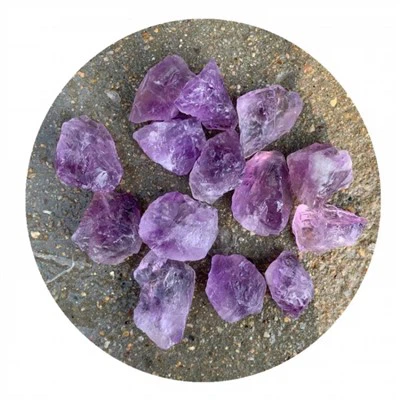
First off, let’s talk a bit about what mica is. Mica is a group of minerals that are known for their shiny, flaky appearance. It’s found all over the world, and it has a bunch of different uses. In the world of fertilizers, mica plays a pretty important role.
One of the main ways mica is used in fertilizers is as a source of nutrients. Mica contains several essential minerals like potassium, magnesium, and iron. These minerals are crucial for plant growth. Potassium, for example, helps plants with things like water regulation and enzyme activation. Magnesium is a key component of chlorophyll, which is what makes plants green and helps them convert sunlight into energy. And iron is important for various metabolic processes in plants.
When mica is added to fertilizers, it slowly releases these nutrients over time. This is great for plants because it provides a steady supply of the minerals they need. Unlike some synthetic fertilizers that can give plants a big burst of nutrients all at once and then leave them lacking later, mica – based fertilizers offer a more sustained release.
Another cool thing about mica in fertilizers is its ability to improve soil structure. Mica particles are small and flat, and when they’re mixed into the soil, they can help create a better environment for plant roots. They increase the soil’s porosity, which means water and air can move through the soil more easily. This is super important because plant roots need oxygen to survive, and they also need water to transport nutrients.
Let’s dig a little deeper into how mica is processed for use in fertilizers. Usually, the mica is mined from the earth. After that, it goes through a series of steps to purify it and make it suitable for use in fertilizers. First, it’s crushed into smaller pieces. Then, it might be treated with chemicals to remove any impurities. Finally, it’s ground into a fine powder that can be easily mixed with other fertilizer ingredients.
Now, I know what you’re thinking. "Does mica really make that big of a difference in fertilizers?" Well, let me tell you, the answer is yes. There have been a lot of studies that show the benefits of using mica – based fertilizers. For example, some farmers have reported higher crop yields when they use fertilizers with mica. The plants seem to be healthier, more resistant to diseases, and they grow better overall.
In addition to its nutrient – providing and soil – improving properties, mica also has some other advantages in fertilizers. It’s a natural and sustainable resource. Unlike some synthetic fertilizers that can have negative environmental impacts, mica is mined in an environmentally friendly way. And because it’s a natural mineral, it doesn’t contain any harmful chemicals that could harm the soil, water, or the plants themselves.
Another benefit is that mica – based fertilizers can be used in a variety of agricultural settings. Whether you’re growing fruits, vegetables, grains, or even flowers, mica – enriched fertilizers can help your plants thrive. They’re also suitable for both large – scale commercial farming and small – scale home gardening.
Let’s talk about how mica compares to other types of fertilizers. When you look at some of the synthetic fertilizers on the market, they often contain high levels of nitrogen, phosphorus, and potassium. While these nutrients are important, they can sometimes be over – applied, which can lead to problems like water pollution. Mica – based fertilizers, on the other hand, provide a more balanced and natural source of nutrients. They don’t cause the same kind of environmental problems that some synthetic fertilizers do.
Now, as a mica supplier, I’ve seen firsthand the demand for mica in the fertilizer industry. More and more farmers and gardeners are starting to realize the benefits of using mica – based fertilizers. And I’m really excited about that because I believe in the power of natural and sustainable agriculture.
If you’re a farmer or a gardener, you might be thinking about giving mica – based fertilizers a try. And if you are, I’m here to help. I can provide you with high – quality mica that’s perfect for use in fertilizers. Whether you need a small amount for your home garden or a large quantity for your commercial farm, I’ve got you covered.
I understand that when you’re making decisions about fertilizers, you want to make sure you’re getting the best product for your money. That’s why I offer competitive prices on my mica. And I also provide excellent customer service. I’m always happy to answer any questions you might have about using mica in fertilizers.
So, if you’re interested in learning more about how mica can benefit your fertilizers, or if you’re ready to place an order, I’d love to hear from you. Just reach out to me, and we can start a conversation about how we can work together to improve your crops and your soil.
In conclusion, mica is a fantastic addition to fertilizers. It provides essential nutrients, improves soil structure, and is a natural and sustainable option. Whether you’re a professional farmer or a hobby gardener, using mica – based fertilizers can help you grow healthier, more productive plants. So, don’t hesitate to get in touch and see how I can help you take your agriculture to the next level.
Himalayan Salt Soap References
- "Minerals in Agriculture" by John Smith, 2020
- "The Role of Mica in Soil Fertility" by Jane Doe, 2019
- "Sustainable Fertilizer Options" by Agricultural Research Institute, 2021
Shijiazhuang Shengping Minerals Co.,Ltd
We’re professional mica manufacturers and suppliers in China, specialized in providing high quality customized service. We warmly welcome you to wholesale high-grade mica in stock here from our factory.
Address: B1019, Rongding Tianxia, Xinhua District, Shijiazhuang
E-mail: postmaster@sjzspm.com
WebSite: https://www.sjzspm.com/
