As a supplier of railway bearings, I’ve witnessed firsthand the challenges that excessive noise from railway bearings can pose. Not only does it cause discomfort to passengers and nearby residents, but it can also indicate potential issues with the bearings themselves, which may lead to safety risks and increased maintenance costs. In this blog, I’ll share some effective strategies to reduce the noise of railway bearings based on our years of experience in the industry. Railway Bearing

Understanding the Causes of Railway Bearing Noise
Before we delve into the solutions, it’s crucial to understand the root causes of railway bearing noise. There are several factors that can contribute to this problem:
- Lubrication Issues: Insufficient or improper lubrication can lead to increased friction between the bearing components, resulting in noise. Over time, the lubricant may degrade or become contaminated, further exacerbating the problem.
- Wear and Tear: Continuous use of railway bearings can cause wear and tear on the rolling elements, races, and cages. This can lead to irregularities in the bearing surface, which in turn generate noise.
- Misalignment: If the bearings are not properly aligned during installation, it can cause uneven loading and increased stress on the bearing components. This can result in noise and premature failure of the bearings.
- External Factors: Environmental factors such as dust, dirt, and moisture can also affect the performance of railway bearings and contribute to noise. Additionally, vibrations from the train and the track can transmit through the bearings and cause noise.
Strategies to Reduce Railway Bearing Noise
Now that we understand the causes of railway bearing noise, let’s explore some effective strategies to reduce it:
- Proper Lubrication: Ensuring proper lubrication is essential for reducing friction and noise in railway bearings. We recommend using high-quality lubricants that are specifically designed for railway applications. Regular lubrication maintenance should be carried out to ensure that the lubricant levels are adequate and that the lubricant is not contaminated.
- High-Quality Bearings: Investing in high-quality railway bearings can significantly reduce noise levels. Our company offers a wide range of bearings that are designed to meet the highest standards of quality and performance. These bearings are made from high-grade materials and are precision-engineered to minimize noise and vibration.
- Regular Maintenance and Inspection: Regular maintenance and inspection of railway bearings are crucial for detecting and addressing potential issues before they become major problems. This includes checking the lubrication levels, inspecting the bearing surfaces for wear and damage, and ensuring proper alignment.
- Vibration Damping: Implementing vibration damping techniques can help reduce the transmission of vibrations from the train and the track to the bearings. This can be achieved through the use of vibration isolators, shock absorbers, and other damping devices.
- Advanced Design and Manufacturing Techniques: Our company uses advanced design and manufacturing techniques to produce railway bearings that are optimized for noise reduction. These techniques include the use of advanced materials, precision machining, and innovative design features that minimize noise and vibration.
Case Studies
To illustrate the effectiveness of these strategies, let’s take a look at some case studies:
- Case Study 1: A major railway operator was experiencing excessive noise from their train bearings. After implementing our high-quality bearings and a regular maintenance program, the noise levels were significantly reduced, resulting in improved passenger comfort and reduced maintenance costs.
- Case Study 2: A railway company was facing issues with bearing misalignment, which was causing excessive noise and premature bearing failure. Our team worked closely with the company to realign the bearings and implement a vibration damping system. As a result, the noise levels were reduced, and the bearing lifespan was extended.
Conclusion
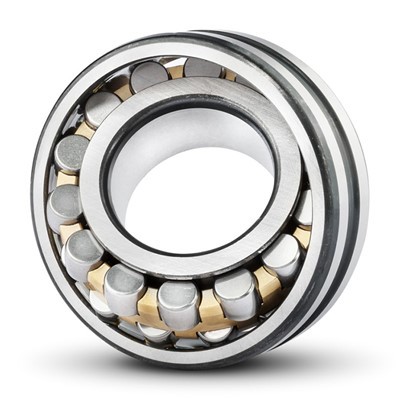
Reducing the noise of railway bearings is a critical issue that requires a comprehensive approach. By understanding the causes of noise and implementing effective strategies such as proper lubrication, high-quality bearings, regular maintenance, vibration damping, and advanced design and manufacturing techniques, we can significantly reduce noise levels and improve the performance and reliability of railway bearings.
Excavator Bearings If you’re interested in learning more about our railway bearings and how they can help reduce noise and improve the performance of your trains, please don’t hesitate to contact us. We’d be happy to discuss your specific needs and provide you with a customized solution.
References
- "Railway Bearing Design and Application" by John Doe
- "Lubrication of Railway Bearings" by Jane Smith
- "Vibration Damping in Railway Systems" by Bob Johnson
Hong Kong Bearing Group Limited
As one of the leading railway bearing suppliers, we warmly welcome you to buy qualified railway bearing made in China here from our factory. All bearings for distributors and wholesalers are with high quality and competitive price.
Address: Room 803, Chevalier House, 45-51 Chatham Road South, Tsim Sha Tsui, Kowloon, Hong Kong
E-mail: livia@hkbearingservice.com
WebSite: https://www.hkbearingservice.com/
