What is the suction lift of a slurry pump? Well, let me break it down for you. I’m in the business of supplying slurry pumps, and I get this question a lot. So, I thought I’d write this blog to share what I know. Slurry Pumps

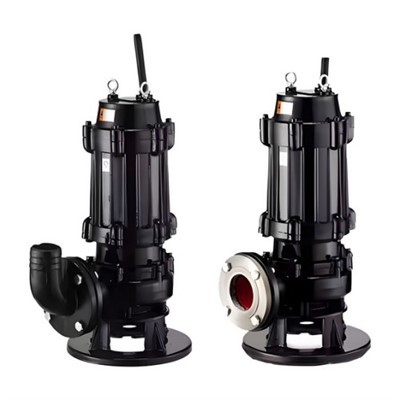
First off, let’s talk about what a slurry pump is. A slurry pump is designed to move a mixture of solid particles and liquid, known as slurry. These pumps are used in a whole bunch of industries, like mining, construction, and wastewater treatment. They’ve got to be tough, ’cause the slurry can be abrasive, corrosive, or both.
Now, the suction lift of a slurry pump is super important. It’s all about how high a pump can suck the slurry up from a lower level. You can think of it as how far the pump can "pull" the slurry against gravity to get it into the pump inlet.
The suction lift is measured in units of length, usually feet or meters. It’s basically the vertical distance between the surface of the slurry in the source (like a tank or a pit) and the centerline of the pump inlet.
There are two main types of suction lift: static suction lift and net positive suction head available (NPSHa).
Static suction lift is pretty straightforward. It’s the vertical distance from the slurry surface to the pump inlet when the pump isn’t running. It’s just a simple measurement of how far up the pump has to lift the slurry before it even starts working its magic.
NPSHa is a bit more complicated. It takes into account not just the static suction lift but also other factors like the velocity of the slurry, the vapor pressure of the liquid in the slurry, and any losses due to friction in the suction piping. These factors can have a big impact on how well the pump works.
If the NPSHa is too low, the pump can experience a problem called cavitation. Cavitation happens when the pressure in the pump drops so low that the liquid in the slurry turns into vapor. When these vapor bubbles collapse, they can create tiny shockwaves that damage the pump impeller and other parts. You definitely don’t want that!
So, why does the suction lift matter? Well, if you’re trying to pump slurry from a deep pit or a lower – level tank, you need to make sure the pump can handle the suction lift. If you choose a pump with a too – low suction lift capacity, it won’t be able to get the slurry into the pump, and it’ll just be a waste of time and money.
On the other hand, if you over – estimate the suction lift requirements and choose a pump that’s too powerful, you’ll end up spending more money than you need to on the pump and its operation. You also might cause unnecessary wear and tear on the pump.
When choosing a slurry pump, you’ve got to calculate the suction lift accurately. Here’s a rough way to do it. First, measure the static suction lift. You can use a tape measure or some other measuring device to find the vertical distance from the slurry surface to the pump inlet.
Next, think about the other factors that affect NPSHa. You’ll need to know the flow rate of the slurry, the diameter and length of the suction piping, and the properties of the slurry itself, like the particle size and the liquid’s density. There are some formulas and charts you can use to calculate the overall NPSHa, but if math isn’t your thing, there are online calculators and experts who can help you out.
As a slurry pump supplier, I’ve seen it all. Sometimes customers come to me with a pump that’s not working right, and it’s often because the suction lift wasn’t properly considered. For example, I once had a customer in the mining industry. They were using a pump to transfer slurry from a deep ore pit, but the pump kept having problems. After a little investigation, we found out that the suction lift was too high for the pump they had chosen. We ended up recommending a different pump with a higher suction lift capacity, and it solved their problem.
Another time, I had a construction company that was over – spending on their slurry pumping system. They had a pump that was way too powerful for the suction lift requirements. We helped them adjust their system and choose a more appropriate pump. This not only saved them money on the initial pump purchase but also on the long – term energy costs.
So, if you’re in the market for a slurry pump, don’t skimp on considering the suction lift. It’s a crucial factor that can make or break your pumping system.
If you’re wondering how to choose the right slurry pump for your specific suction lift needs, just give me a shout. I’ve got a wealth of experience in the industry, and I can help you pick the pump that’s just right for your job. Whether you’re dealing with a small – scale construction project or a large – scale mining operation, I’ve got the knowledge to guide you.
Don’t hesitate to reach out if you want to discuss your slurry pump requirements. The right pump with the right suction lift capacity can save you a whole lot of hassle and money in the long run.
Spare Parts References
- Chemical Engineering Handbook, Perry
- Slurry Pump Operation and Maintenance Manual, Manufacturer’s Guides
Hebei Jovidia Technology Co., Ltd
As one of the leading slurry pumps manufacturers in China, we warmly welcome you to buy slurry pumps in stock here from our factory. All customized products are with high quality and low price. For quotation, contact us now.
Address: Room 1416, Building B, No. 3555, Lekai North Street, Gaokai District, Baoding City, Hebei Province
E-mail: admin@jovidiapump.com
WebSite: https://www.jovidiapump.com/
