As an energy storage supplier, I’ve witnessed firsthand the growing importance of energy storage in the global energy landscape. In recent years, there has been a significant push towards adopting energy storage solutions, driven by a combination of technological advancements, environmental concerns, and the need for grid stability. One of the key factors facilitating this adoption is the various policy incentives put in place by governments around the world. In this blog, I’ll explore these policy incentives and their impact on promoting energy storage adoption. Energy Storage

Feed – in Tariffs and Contracts
Feed – in tariffs (FiTs) have long been a powerful policy tool for promoting renewable energy, and they are now being extended to energy storage. FiTs guarantee a fixed payment for the electricity stored and then fed back into the grid at a specific rate for a set period. This provides energy storage system owners with a stable revenue stream, making the investment in energy storage more attractive.
For example, some regions offer FiTs for energy storage systems that store excess renewable energy during off – peak hours and release it during peak demand. This not only helps to balance the grid but also encourages the integration of more renewable energy sources. Energy storage suppliers can benefit from these FiTs by installing systems for customers and helping them take advantage of the financial incentives.
Power purchase agreements (PPAs) are another form of contract that can incentivize energy storage adoption. Under a PPA, a third – party entity agrees to purchase the electricity generated or stored by an energy storage system at a pre – determined price. This provides long – term revenue certainty for energy storage project developers and operators. As an energy storage supplier, we can assist our customers in negotiating favorable PPAs, which in turn can increase the viability of their energy storage projects.
Investment Tax Credits
Investment tax credits (ITCs) are a significant incentive for energy storage adoption. Governments offer tax credits to individuals and businesses that invest in energy storage systems. These credits can offset a portion of the upfront costs of purchasing and installing an energy storage system.
For instance, in some countries, businesses can claim a tax credit of up to 30% of the total cost of an energy storage project. This can significantly reduce the financial burden on customers, making energy storage a more affordable option. As an energy storage supplier, we can help our customers understand and take advantage of these tax credits, providing them with detailed information on eligibility criteria and the application process.
Grants and Subsidies
Many governments provide grants and subsidies to support the development and deployment of energy storage technologies. These funds can be used for research and development, demonstration projects, or the installation of energy storage systems.
Grants are often awarded to projects that demonstrate innovative energy storage solutions or contribute to the overall goal of grid decarbonization. For example, a government may offer a grant to a company developing a new type of battery technology with higher energy density and longer lifespan. Subsidies, on the other hand, can directly reduce the cost of purchasing an energy storage system for end – users.
As an energy storage supplier, we work closely with our customers to identify available grants and subsidies. We assist them in preparing grant applications and ensuring that their projects meet the necessary requirements. By leveraging these financial incentives, we can help our customers implement energy storage solutions more cost – effectively.
Regulatory Frameworks and Market Design
Regulatory frameworks play a crucial role in promoting energy storage adoption. Governments are increasingly recognizing the value of energy storage in enhancing grid reliability and integrating renewable energy sources. As a result, they are implementing regulations that encourage the participation of energy storage systems in the electricity market.
One such regulation is the creation of ancillary service markets. Energy storage systems can provide a range of ancillary services, such as frequency regulation, voltage support, and spinning reserve. By participating in these markets, energy storage system owners can earn additional revenue. Governments are also implementing rules to ensure that energy storage systems are fairly compensated for the services they provide.
Market design is another important aspect. Some regions are implementing time – of – use (TOU) tariffs, which charge different electricity prices based on the time of day. Energy storage systems can be used to store electricity during low – cost periods and discharge it during high – cost periods, allowing customers to save on their electricity bills. As an energy storage supplier, we can help our customers optimize their energy storage systems to take advantage of these market mechanisms.
Net Metering and Virtual Net Metering
Net metering is a policy that allows energy storage system owners to receive credit for the excess electricity they generate and store. When the energy storage system discharges electricity back into the grid, the owner is credited on their electricity bill. This effectively reduces the cost of electricity for the customer.
Virtual net metering extends this concept to multiple customers or sites. For example, a community energy storage project can use virtual net metering to share the benefits of energy storage among different users. This is particularly useful for apartment buildings, commercial complexes, or communities where individual customers may not have the space or resources to install their own energy storage systems.
As an energy storage supplier, we can design and install energy storage systems that are compatible with net metering and virtual net metering policies. We can also help our customers understand how to maximize the benefits of these policies, such as by optimizing the charging and discharging cycles of their energy storage systems.
Environmental and Sustainability Goals
Many governments have set ambitious environmental and sustainability goals, such as reducing greenhouse gas emissions and increasing the share of renewable energy in the energy mix. Energy storage plays a crucial role in achieving these goals by enabling the integration of more renewable energy sources.
To encourage the adoption of energy storage in line with these goals, governments may offer additional incentives. For example, a government may set a target for the amount of energy storage capacity to be installed in a certain region and provide financial incentives or regulatory support to achieve this target.
As an energy storage supplier, we are committed to helping our customers contribute to these environmental and sustainability goals. By providing high – quality energy storage solutions, we can help our customers reduce their carbon footprint and support the transition to a more sustainable energy future.
Conclusion
Policy incentives are essential for promoting the adoption of energy storage. Feed – in tariffs, investment tax credits, grants, subsidies, regulatory frameworks, net metering, and environmental goals all play a role in making energy storage more attractive to customers. As an energy storage supplier, we are well – positioned to help our customers take advantage of these incentives.
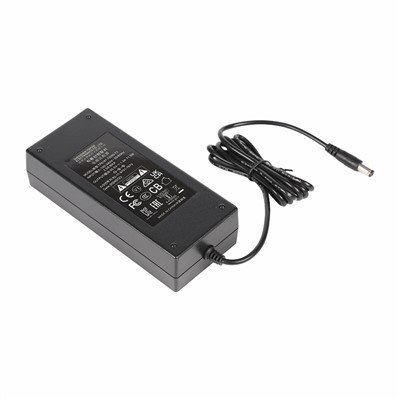
Power Adapter If you are interested in exploring energy storage solutions for your home or business, we would be delighted to have a discussion with you. Our team of experts can provide you with detailed information on the available policy incentives, help you choose the right energy storage system for your needs, and guide you through the installation process. Contact us today to start your journey towards a more sustainable and reliable energy future.
References
- International Renewable Energy Agency (IRENA). "Energy Storage for Renewable Energy Integration: A Guide for Policy – Makers."
- U.S. Department of Energy. "Energy Storage Technologies and Market Overview."
- European Commission. "Policy Framework for Energy Storage in the EU."
Shenzhen Topow Electronics Co.,Ltd
We’re well-known as one of the leading energy storage manufacturers and suppliers in China. If you’re going to wholesale customized energy storage made in China, welcome to get more information from our factory.
Address: 17th floor, Building A, Union R&D Center, Xixiang Town, Bao’an District, Shenzhen, Guangdong, China.
E-mail: contact@topow.com.cn
WebSite: https://www.topowgroup.com/
