Hey there! I’m a supplier of die casting automotive parts, and I’ve been in this game for quite a while. Over the years, I’ve learned a thing or two about cost – reduction strategies for die casting automotive parts. In this blog, I’m gonna share some of these strategies with you. Die Casting Automotive Parts

1. Material Selection
One of the most significant factors in the cost of die casting automotive parts is the material. Different materials have different costs, and choosing the right one can make a big difference.
First off, aluminum is a popular choice in the automotive industry. It’s lightweight, which helps improve fuel efficiency, and it has good corrosion resistance. Plus, it’s relatively inexpensive compared to some other metals. For example, if you’re making engine components, aluminum can be a great option. It can be easily cast into complex shapes, and it doesn’t require a lot of post – processing.
On the other hand, magnesium is also a lightweight metal. It’s even lighter than aluminum, but it’s a bit more expensive. However, if weight reduction is a top priority, magnesium might be worth the extra cost. For instance, in high – performance sports cars, magnesium parts can help reduce the overall weight of the vehicle, improving acceleration and handling.
Another option is zinc. Zinc is a great choice for parts that require high precision and good surface finish. It’s also relatively cheap and easy to cast. Many small automotive parts, like door handles and brackets, are often made from zinc.
When selecting materials, it’s important to consider not only the cost but also the performance requirements of the part. You don’t want to sacrifice quality for a lower cost.
2. Design Optimization
The design of the part plays a crucial role in cost reduction. A well – designed part can reduce the amount of material used, simplify the casting process, and minimize post – processing.
One way to optimize the design is to reduce the wall thickness of the part. Thicker walls require more material and take longer to cool, which can increase the cycle time and cost. By carefully analyzing the structural requirements of the part, you can often reduce the wall thickness without sacrificing strength.
Another design consideration is the shape of the part. Complex shapes with undercuts and sharp corners can be more difficult to cast and may require additional tooling. Simplifying the shape can reduce the cost of tooling and make the casting process more efficient.
For example, if you’re designing a housing for an automotive electronic component, you can use a more streamlined shape instead of a complex one with lots of protrusions. This will not only reduce the material cost but also make it easier to cast and assemble.
3. Tooling and Equipment
The cost of tooling is a significant investment in die casting. However, there are ways to reduce this cost.
First, you can work with a tooling manufacturer to optimize the tool design. A well – designed tool can last longer, reduce the number of rejects, and improve the quality of the parts. For example, using high – quality tool steel can increase the tool’s lifespan, which means you don’t have to replace it as often.
Another strategy is to use modular tooling. Modular tooling allows you to change different parts of the tool easily, which can be useful if you need to produce different versions of the same part. This can reduce the cost of tooling for small – batch production.
In addition, regular maintenance of the die casting equipment is essential. Well – maintained equipment runs more efficiently, reduces downtime, and produces higher – quality parts. You should have a regular maintenance schedule and train your operators to perform basic maintenance tasks.
4. Process Optimization
Optimizing the die casting process can also lead to significant cost savings.
One important aspect is the cycle time. Reducing the cycle time means you can produce more parts in less time, which increases productivity and reduces the cost per part. You can achieve this by optimizing the injection speed, pressure, and temperature. For example, increasing the injection speed can fill the mold faster, but you need to make sure it doesn’t cause defects.
Another process optimization strategy is to reduce the number of rejects. Rejects are a waste of material and time. By improving the process control, such as monitoring the temperature and pressure more closely, you can reduce the number of defective parts.
You can also consider using automation in the die casting process. Automation can improve the accuracy and consistency of the process, reduce labor costs, and increase productivity. For example, using robotic arms to load and unload parts can speed up the process and reduce the risk of human error.
5. Supply Chain Management
Effective supply chain management can also help reduce the cost of die casting automotive parts.
First, you should build strong relationships with your suppliers. By negotiating better prices and terms, you can reduce the cost of raw materials. You can also work with your suppliers to improve the quality of the materials, which can reduce the number of rejects.
Another aspect is inventory management. Keeping too much inventory can tie up a lot of capital, while having too little inventory can lead to production delays. You should use inventory management software to track your inventory levels and order materials in a timely manner.
In addition, you can consider sourcing materials locally. Local sourcing can reduce transportation costs and lead times. It also helps support the local economy.
6. Quality Control
Quality control is essential in die casting automotive parts. Poor quality parts can lead to recalls, which can be very costly.
You should implement a comprehensive quality control system. This includes inspecting the raw materials, monitoring the casting process, and performing final inspections on the finished parts.
Using statistical process control (SPC) can help you identify and correct any process variations before they lead to defective parts. SPC involves collecting and analyzing data on the process parameters, such as temperature, pressure, and dimensions.
By ensuring high – quality parts, you can reduce the cost associated with rework, scrap, and customer complaints.
7. Continuous Improvement
Finally, continuous improvement is key to long – term cost reduction. You should regularly review your processes, materials, and designs to identify areas for improvement.
Encourage your employees to suggest ideas for cost reduction. They are often the ones who have the most direct experience with the production process and may have valuable insights.
You can also benchmark your performance against industry standards and best practices. By learning from others, you can find new ways to reduce costs and improve the quality of your parts.
In conclusion, there are many cost – reduction strategies for die casting automotive parts. By carefully considering material selection, design optimization, tooling and equipment, process optimization, supply chain management, quality control, and continuous improvement, you can significantly reduce the cost of production.
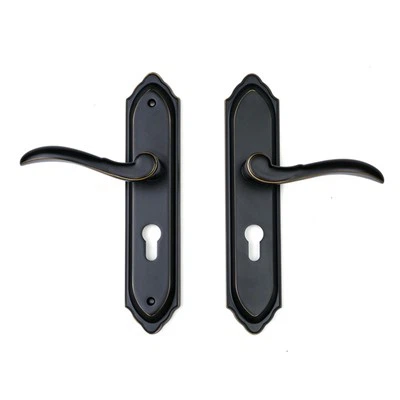
If you’re in the market for die casting automotive parts and want to discuss how we can work together to achieve cost savings, I’d love to have a chat. Reach out to me, and we can start a conversation about your specific needs.
Hardware Accessories Die Casting Parts References
- "Die Casting Handbook" by W. Daniel O’Neill
- "Automotive Manufacturing Technology" by Steven D. Peterson
- Industry reports from automotive trade associations
Dongguan Xiangyu Hardware Limited Company
We’re professional die casting automotive parts manufacturers and suppliers in China, specialized in providing high quality products and service. We warmly welcome you to buy customized die casting automotive parts from our factory. Contact us for free sample.
Address: No. 8, Huaqiang Road, Sha Sixth Industrial Zone, Chang’an Town, Dongguan City, Guangdong Province
E-mail: bruno@xiangyuchina.net
WebSite: https://www.diecasing-xy.com/
