As a supplier of organic pigments, I’ve witnessed firsthand the profound impact these substances have on the flow properties of paints. Organic pigments are not just about adding color; they play a crucial role in determining how paint behaves during application, storage, and drying. In this blog, I’ll delve into the science behind how organic pigments affect the flow properties of paints and why it matters for both manufacturers and end – users. Organic Pigment
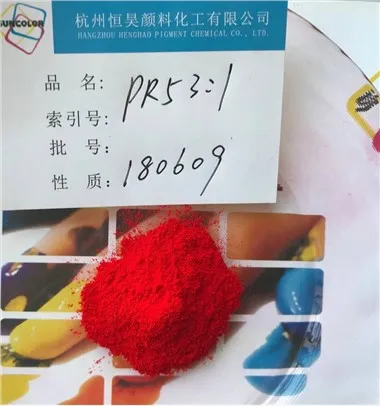
The Basics of Organic Pigments and Paint Flow
Before we explore the relationship between organic pigments and paint flow, let’s briefly understand what organic pigments are. Organic pigments are carbon – based compounds that are used to impart color to various materials, including paints. They are known for their high color strength, excellent transparency, and good lightfastness.
Paint flow refers to the ability of paint to spread evenly and smoothly over a surface during application. It is influenced by several factors, such as viscosity, surface tension, and thixotropy. Viscosity is a measure of a fluid’s resistance to flow. A high – viscosity paint is thick and flows slowly, while a low – viscosity paint is thin and flows more easily. Surface tension is the force that causes the surface of a liquid to contract, and it affects how the paint spreads on a surface. Thixotropy is the property of a fluid to become less viscous when subjected to shear stress, such as stirring or brushing.
How Organic Pigments Influence Viscosity
One of the primary ways organic pigments affect paint flow is by altering the viscosity of the paint. When organic pigments are added to a paint formulation, they can increase or decrease the viscosity depending on several factors.
The particle size of the organic pigments plays a significant role. Smaller particle – sized pigments tend to increase the viscosity of the paint more than larger particles. This is because smaller particles have a larger surface area, which leads to more interactions between the pigment particles and the paint binder. These interactions can cause the paint to become more viscous. For example, if we use a fine – particle organic pigment in a paint, the paint may become thicker and more difficult to spread.
The concentration of the organic pigments also affects viscosity. As the concentration of the pigment increases, the viscosity of the paint generally increases as well. This is because there are more pigment particles in the paint, which leads to more interactions and a more structured system. However, if the concentration is too high, the paint may become too thick and may not flow properly.
Impact on Surface Tension
Organic pigments can also influence the surface tension of the paint. Surface tension affects how the paint wets the surface and spreads out. Some organic pigments can reduce the surface tension of the paint, making it easier for the paint to spread evenly over the surface. This is particularly important for achieving a smooth and uniform finish.
For instance, certain organic pigments have surface – active properties. These pigments can migrate to the surface of the paint and lower the surface tension. As a result, the paint can better wet the substrate, reducing the formation of defects such as orange peel or pinholes. On the other hand, some pigments may increase the surface tension, which can lead to problems like poor wetting and uneven spreading.
Thixotropy and Organic Pigments
Thixotropy is an important property for paint flow, especially during application. Organic pigments can affect the thixotropic behavior of the paint. A thixotropic paint is one that becomes less viscous when stirred or brushed and then returns to its original viscosity when at rest.
Some organic pigments can enhance the thixotropic properties of the paint. They can form a network structure within the paint, which breaks down under shear stress (such as when the paint is applied with a brush or roller) and reforms when the stress is removed. This allows the paint to flow easily during application but prevents it from dripping or sagging once it is applied.
Compatibility with Paint Binders
The compatibility of organic pigments with the paint binder is another crucial factor that affects paint flow. The binder is the component of the paint that holds the pigment particles together and adheres the paint to the surface. If the organic pigment is not compatible with the binder, it can lead to problems such as flocculation (the clumping of pigment particles) and sedimentation.
Flocculation can increase the viscosity of the paint and cause it to have a lumpy or uneven appearance. Sedimentation occurs when the pigment particles settle to the bottom of the paint container over time. This can make the paint difficult to mix and apply. Therefore, it is essential to choose organic pigments that are compatible with the specific paint binder being used.
Importance for Paint Manufacturers
For paint manufacturers, understanding how organic pigments affect paint flow is crucial for formulating high – quality paints. By carefully selecting the right organic pigments and controlling their concentration, manufacturers can achieve the desired flow properties for different types of paints.
For example, in architectural paints, a good flow property is essential for achieving a smooth and uniform finish on walls and ceilings. Manufacturers need to ensure that the paint has the right viscosity and thixotropy to be easily applied with a brush or roller. In industrial coatings, the flow properties are also critical for achieving a high – quality finish on metal, plastic, or other substrates.
Importance for End – Users
End – users also benefit from the proper flow properties of paints. A paint with good flow properties is easier to apply, which can save time and effort. It also results in a more professional – looking finish. For example, when painting a room, a paint that flows smoothly will cover the surface evenly, without streaks or brush marks.
Choosing the Right Organic Pigments

As a supplier of organic pigments, I often work with paint manufacturers to help them choose the right pigments for their specific needs. When selecting organic pigments for a paint formulation, several factors need to be considered:
- Color requirements: The first consideration is the desired color. Organic pigments come in a wide range of colors, and it’s important to choose the ones that match the color specifications.
- Flow properties: As discussed earlier, the particle size, concentration, and compatibility of the pigments with the binder all affect the flow properties. Manufacturers need to select pigments that will result in the desired viscosity, surface tension, and thixotropy.
- Lightfastness and durability: Depending on the application, the paint may need to have good lightfastness and durability. Some organic pigments are more lightfast than others, and it’s important to choose the ones that meet the requirements of the end – use.
Conclusion
Inorganic Pigment In conclusion, organic pigments have a significant impact on the flow properties of paints. They can affect viscosity, surface tension, and thixotropy, which are all crucial for achieving a high – quality paint finish. As a supplier of organic pigments, I’m committed to providing high – quality products and technical support to paint manufacturers. If you’re a paint manufacturer looking to improve the flow properties of your paints or to explore new color options, I’d be more than happy to discuss your needs. Contact me to start a conversation about how our organic pigments can enhance your paint formulations.
References
- Paint and Coating Testing Manual: Fourteenth Edition of the Gardner – Sward Handbook, edited by Thomas M. Koch.
- Organic Pigments: Production, Properties, Applications, by Klaus Hunger.
- The Chemistry and Physics of Coatings, by Johan Bieleman.
Henghao Technology Development (Hangzhou) Co., Ltd
We’re professional organic pigment manufacturers and suppliers in China, specialized in providing high quality products with low price. We warmly welcome you to buy bulk customized organic pigment made in China here from our factory. For pricelist and free sample, contact us now.
Address: Rm715-719, Building No. 5, Qianjiang International Plaza, Qianjiang Economic Development Zone, Hangzhou City, Zhejiang Province, China
E-mail: info@henghaopigment.com
WebSite: https://www.henghaocolor.com/
