In the contemporary industrial landscape, the management and treatment of industrial wastewater stand as a critical challenge. Industries across the globe generate vast quantities of wastewater, which, if not properly treated, can pose significant environmental and health risks. One technology that has emerged as a potential solution to this problem is the wastewater evaporator. As a supplier of wastewater evaporators, I am often asked whether these devices can effectively be used for industrial wastewater treatment. In this blog post, I will delve into the capabilities of wastewater evaporators, their advantages, limitations, and how they fit into the broader context of industrial wastewater management. Waste Water Evaporator
Understanding Industrial Wastewater
Industrial wastewater is a complex mixture of various contaminants, including heavy metals, organic compounds, salts, and suspended solids. The composition of industrial wastewater varies widely depending on the industry, the manufacturing processes involved, and the raw materials used. For example, the wastewater from a chemical manufacturing plant may contain high levels of toxic chemicals, while the wastewater from a food processing facility may be rich in organic matter and nutrients.
The improper disposal of industrial wastewater can have severe environmental consequences. It can contaminate surface water and groundwater, leading to the degradation of water quality and the loss of aquatic ecosystems. It can also contribute to soil pollution, which can affect agricultural productivity and human health. Therefore, it is essential to treat industrial wastewater before discharging it into the environment.
How Wastewater Evaporators Work
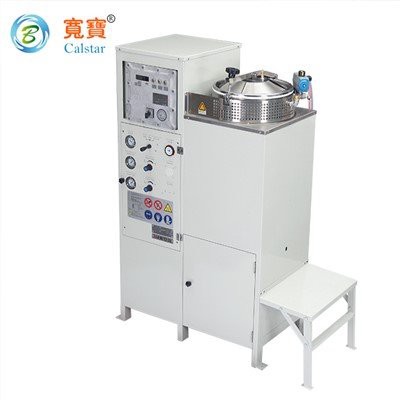
A wastewater evaporator is a device that uses heat to vaporize water from the wastewater, leaving behind the contaminants in a concentrated form. The basic principle behind wastewater evaporation is simple: when water is heated, it changes from a liquid to a vapor state. The vapor is then condensed and collected as distilled water, while the contaminants remain in the evaporator as a concentrated residue.
There are several types of wastewater evaporators, including falling film evaporators, forced circulation evaporators, and multiple-effect evaporators. Each type has its own advantages and disadvantages, and the choice of evaporator depends on the specific characteristics of the wastewater, such as its composition, flow rate, and temperature.
Falling film evaporators are commonly used for the treatment of wastewater with low to medium viscosity. In a falling film evaporator, the wastewater is fed into the top of a vertical tube bundle, where it forms a thin film on the inner surface of the tubes. The heat is applied to the outside of the tubes, causing the water in the film to evaporate. The vapor rises to the top of the evaporator and is condensed, while the concentrated residue flows down to the bottom of the evaporator.
Forced circulation evaporators are suitable for the treatment of wastewater with high viscosity or high solids content. In a forced circulation evaporator, the wastewater is circulated through a heat exchanger by a pump. The heat is applied to the heat exchanger, causing the water in the wastewater to evaporate. The vapor is then separated from the liquid and condensed, while the concentrated residue is removed from the system.
Multiple-effect evaporators are designed to increase the energy efficiency of the evaporation process. In a multiple-effect evaporator, the vapor from one evaporator is used as the heat source for the next evaporator in the series. This allows for the reuse of the heat energy, reducing the overall energy consumption of the system.
Advantages of Wastewater Evaporators
There are several advantages to using wastewater evaporators for industrial wastewater treatment.
1. High Efficiency in Water Recovery
One of the primary advantages of wastewater evaporators is their ability to recover a large amount of water from the wastewater. By vaporizing the water and condensing it as distilled water, wastewater evaporators can produce high-quality water that can be reused in the industrial process or discharged into the environment. This not only reduces the demand for fresh water but also minimizes the volume of wastewater that needs to be treated and disposed of.
2. Reduction of Waste Volume
Wastewater evaporators can significantly reduce the volume of wastewater by concentrating the contaminants. The concentrated residue can be further treated or disposed of more easily and cost-effectively than the original wastewater. This can help industries comply with environmental regulations and reduce their environmental impact.
3. Versatility
Wastewater evaporators can be used to treat a wide range of industrial wastewater, including wastewater from the chemical, pharmaceutical, food and beverage, and metal finishing industries. They can handle different types of contaminants, such as heavy metals, organic compounds, and salts, making them a versatile solution for industrial wastewater treatment.
4. Energy Efficiency
Modern wastewater evaporators are designed to be energy-efficient, using advanced technologies such as multiple-effect evaporation and heat recovery systems. These technologies can significantly reduce the energy consumption of the evaporation process, making it more cost-effective and environmentally friendly.
Limitations of Wastewater Evaporators
While wastewater evaporators offer many advantages, they also have some limitations.
1. High Initial Investment
The purchase and installation of a wastewater evaporator can be expensive, especially for large-scale industrial applications. The cost of the evaporator depends on its size, type, and the specific requirements of the wastewater treatment process. In addition, the operation and maintenance of the evaporator also require a significant amount of energy and resources, which can add to the overall cost.
2. Sensitivity to Wastewater Composition
The performance of a wastewater evaporator can be affected by the composition of the wastewater. For example, wastewater with high levels of suspended solids or scaling agents can cause fouling and clogging of the evaporator, reducing its efficiency and lifespan. Therefore, it is important to pre-treat the wastewater before it enters the evaporator to remove any solids or scaling agents.
3. Disposal of Concentrated Residue
The concentrated residue produced by the wastewater evaporator needs to be properly disposed of. Depending on the composition of the residue, it may require further treatment or disposal in a hazardous waste landfill. This can add to the cost and complexity of the wastewater treatment process.
Integration with Other Treatment Technologies
Wastewater evaporators are often used in combination with other treatment technologies to achieve more effective and efficient wastewater treatment. For example, pre-treatment processes such as filtration, sedimentation, and chemical precipitation can be used to remove suspended solids and other contaminants from the wastewater before it enters the evaporator. Post-treatment processes such as reverse osmosis or ion exchange can be used to further purify the distilled water produced by the evaporator.
By integrating wastewater evaporators with other treatment technologies, industries can customize their wastewater treatment systems to meet their specific needs and requirements. This can help them achieve better water quality, reduce their environmental impact, and comply with environmental regulations.
Conclusion

In conclusion, wastewater evaporators can be an effective solution for industrial wastewater treatment. They offer high efficiency in water recovery, reduction of waste volume, versatility, and energy efficiency. However, they also have some limitations, such as high initial investment, sensitivity to wastewater composition, and the need for proper disposal of the concentrated residue.
Centrifuge As a supplier of wastewater evaporators, I understand the challenges that industries face in managing their wastewater. I am committed to providing high-quality wastewater evaporators and comprehensive technical support to help industries achieve their wastewater treatment goals. If you are interested in learning more about our wastewater evaporators or discussing your specific wastewater treatment needs, please feel free to contact us. We look forward to working with you to find the best solution for your industrial wastewater treatment requirements.
References
- Metcalf & Eddy. (2003). Wastewater Engineering: Treatment and Reuse. McGraw-Hill.
- Cheremisinoff, N. P. (2002). Handbook of Industrial and Hazardous Wastes Treatment. Butterworth-Heinemann.
- American Petroleum Institute. (2012). API Recommended Practice 521, Pressure-Relieving and Depressuring Systems.
Shenzhen Kuanbao Environmental Equipment Co., Ltd
We’re well-known as one of the leading waste water evaporator manufacturers and suppliers in China. If you’re going to buy customized waste water evaporator with competitive price, welcome to get pricelist from our factory.
Address: 3rd Floor, Building B, Zhuoye Industrial Park, No. 196 Jintian Road, Pingshan District, Shenzhen City, Guangdong Province, China
E-mail: alisa@calstar.cn
WebSite: https://www.solventrecyclingsystem.com/
