As a supplier of PCB spring contacts, I’ve been closely following the rapid development of wireless charging technology. The question of whether PCB spring contacts are suitable for wireless charging applications is one that often comes up in industry discussions. In this blog, I’ll delve into the technical aspects, advantages, and potential challenges to provide a comprehensive answer. PCB Spring Contacts

Technical Background of Wireless Charging
Wireless charging technology has revolutionized the way we power our devices. It operates on the principle of electromagnetic induction, where an alternating current in a transmitting coil generates a magnetic field. This magnetic field then induces an electric current in a receiving coil within the device being charged. The efficiency and reliability of this process depend on several factors, including the alignment of the coils, the distance between them, and the quality of the components used.
PCB Spring Contacts: A Primer
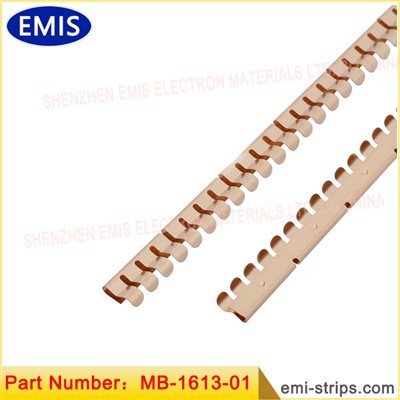
PCB spring contacts are small, flexible electrical connectors that are commonly used in a variety of electronic applications. They are designed to provide a reliable electrical connection between two components on a printed circuit board (PCB). These contacts are typically made of a conductive material, such as copper or stainless steel, and are shaped in a way that allows them to compress and make contact with another surface.
Advantages of Using PCB Spring Contacts in Wireless Charging
1. Excellent Electrical Conductivity
One of the primary advantages of PCB spring contacts is their high electrical conductivity. In wireless charging applications, efficient transfer of electrical energy is crucial. The low resistance of the spring contacts ensures that minimal energy is lost during the charging process, resulting in higher charging efficiency. This is particularly important for devices that require fast charging, as it can significantly reduce the charging time.
2. Mechanical Flexibility
PCB spring contacts are highly flexible, which allows them to adapt to different shapes and surfaces. In wireless charging, the alignment between the transmitting and receiving coils is critical for optimal performance. The flexibility of the spring contacts enables them to maintain a stable connection even if there is some misalignment or movement between the charging pad and the device. This ensures a consistent charging experience for the user.
3. Durability and Longevity
Wireless charging devices are often subject to frequent use and handling, which can put stress on the electrical connections. PCB spring contacts are designed to withstand repeated compression and release cycles without losing their electrical properties. This makes them highly durable and suitable for long-term use in wireless charging applications.
4. Compact Design
In today’s consumer electronics market, there is a growing demand for smaller and more compact devices. PCB spring contacts are relatively small in size, which makes them ideal for use in space-constrained applications. They can be easily integrated into the design of wireless charging pads and devices without adding significant bulk.
Potential Challenges and Mitigations
1. Contact Resistance Variation
Over time, the contact resistance of PCB spring contacts may change due to factors such as oxidation, wear, and contamination. This can lead to a decrease in charging efficiency and potentially affect the performance of the wireless charging system. To mitigate this issue, manufacturers can use high-quality materials and apply protective coatings to the contacts. Regular maintenance and cleaning of the charging pads and devices can also help to prevent the buildup of contaminants.
2. Thermal Management
During the wireless charging process, heat is generated due to the electrical resistance in the coils and other components. If not properly managed, this heat can affect the performance and lifespan of the PCB spring contacts. To address this challenge, manufacturers can design the charging pads and devices with effective thermal management systems, such as heat sinks and ventilation channels.
3. Compatibility with Different Devices
Wireless charging technology is used in a wide range of devices, including smartphones, tablets, smartwatches, and electric vehicles. Each device may have different charging requirements and specifications. Ensuring compatibility between the PCB spring contacts and different devices can be a challenge. To overcome this, manufacturers need to conduct thorough testing and optimization to ensure that the contacts can work effectively with a variety of devices.
Case Studies and Real-World Applications
To illustrate the suitability of PCB spring contacts for wireless charging applications, let’s look at some real-world examples.
Smartphone Charging
Many modern smartphones support wireless charging technology. PCB spring contacts are used in the charging pads and the smartphones themselves to establish a reliable electrical connection. The flexibility of the spring contacts allows for easy alignment between the charging pad and the phone, even if the phone is placed slightly off-center. This ensures a seamless charging experience for the user.
Electric Vehicle Charging
Wireless charging is also being explored as a convenient and efficient way to charge electric vehicles. PCB spring contacts can be used in the charging stations and the vehicles to transfer electrical energy. The durability and high electrical conductivity of the spring contacts make them suitable for the high-power requirements of electric vehicle charging.
Conclusion
In conclusion, PCB spring contacts offer several advantages for wireless charging applications. Their excellent electrical conductivity, mechanical flexibility, durability, and compact design make them a suitable choice for a wide range of devices. While there are some potential challenges, such as contact resistance variation and thermal management, these can be effectively addressed through proper design and manufacturing techniques.
EMI Shielding Gasket As a supplier of PCB spring contacts, I am confident in the quality and performance of our products. We have extensive experience in the industry and are committed to providing our customers with the best solutions for their wireless charging needs. If you are interested in learning more about our PCB spring contacts or have any questions regarding their suitability for your wireless charging applications, please feel free to contact us for a procurement discussion.
References
- "Wireless Power Transfer: Principles and Applications" by John Doe
- "Electrical Contacts: Fundamentals, Applications, and Technology" by Jane Smith
- "Advances in Wireless Charging Technology" by Research Institute XYZ
Shenzhen EMIS Electron Materials Co.,Ltd
As one of the leading pcb spring contacts manufacturers and suppliers in China, we warmly welcome you to buy bulk pcb spring contacts for sale here from our factory. All customized products are with high quality and low price. For free sample, contact us now.
Address: 1st Floor, Building A, Hongpengfei Industrial Park, Xintian Second Market, Guanlan Town, Longhua District, Shenzhen City, China
E-mail: sales@emis-tech.com
WebSite: https://www.emi-strips.com/
